Field Meeting Reports – 2026
Dove Point, Meols – Sunday 11th October 2026
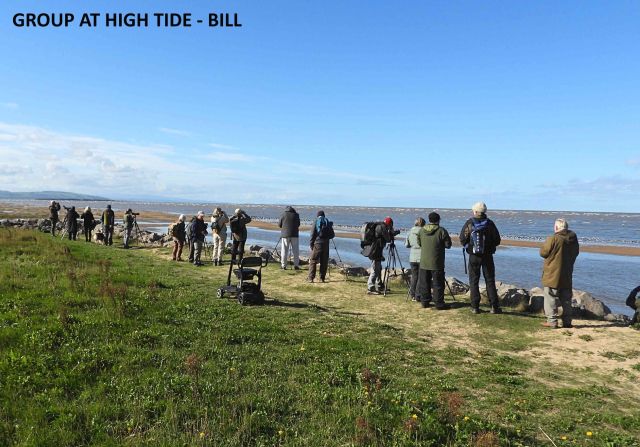
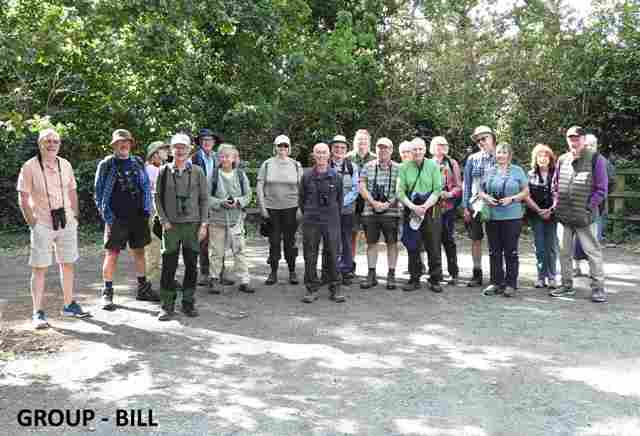
It was fortunate that our trip to Meols wasn’t on the day before, when there was heavy rain and high winds! Instead, the 25 members who turned out were treated to lots of warm sunshine. This meant a nice walk along the prom and great views in good light of the many birds present.
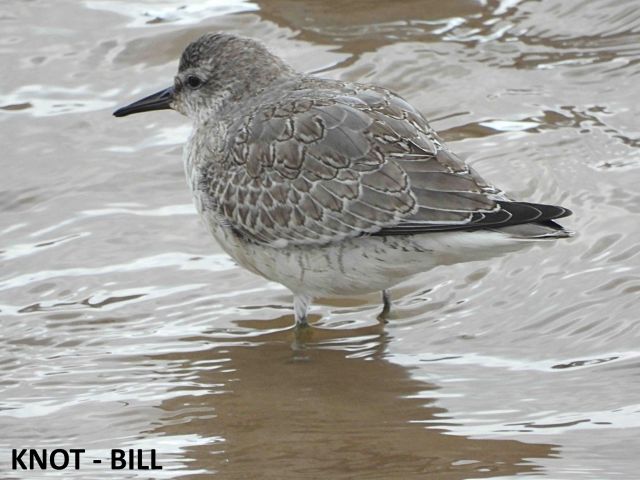
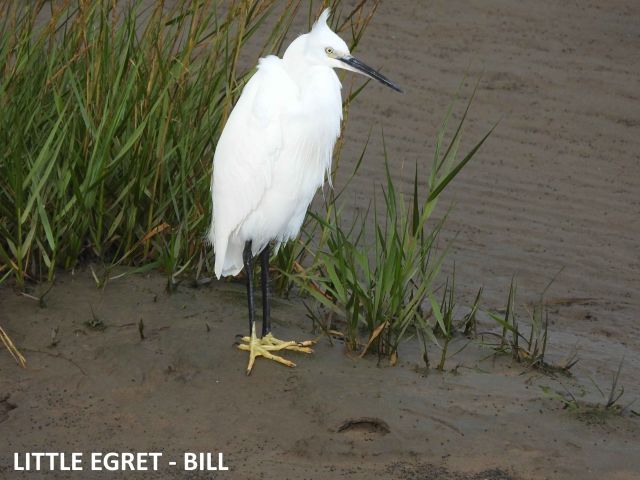
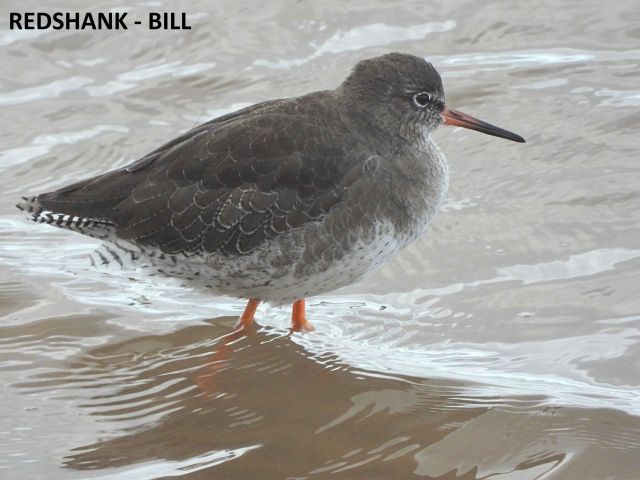
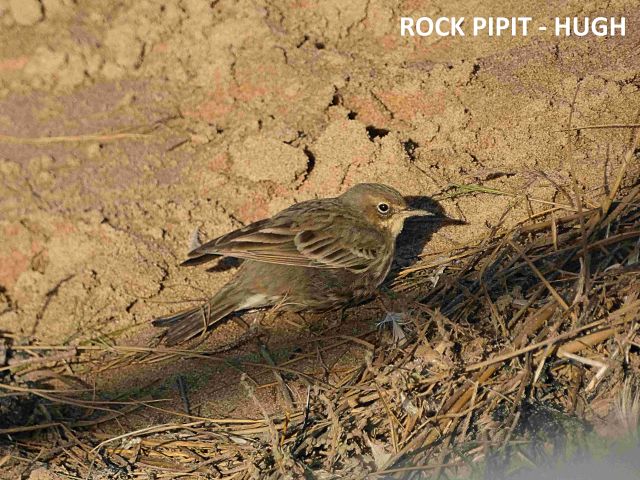
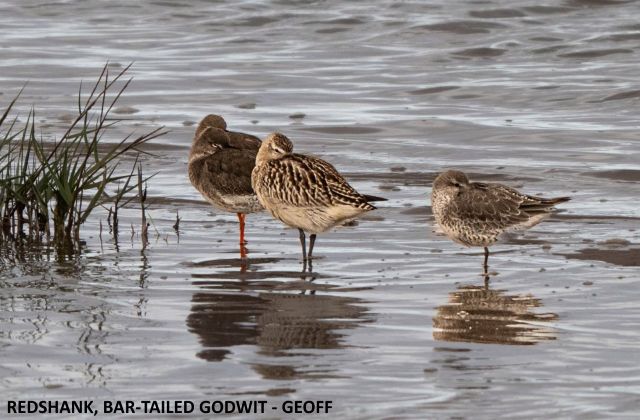
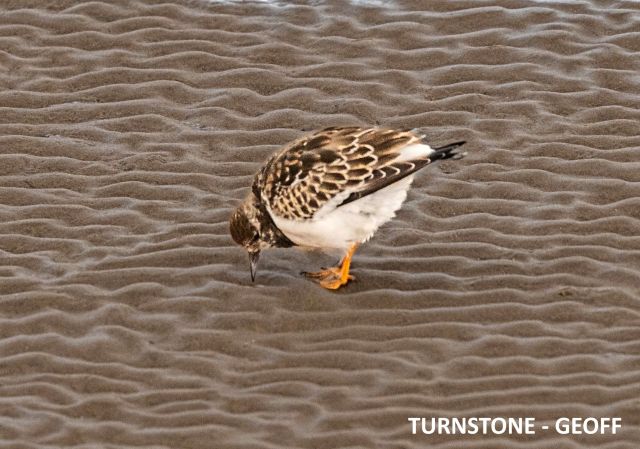
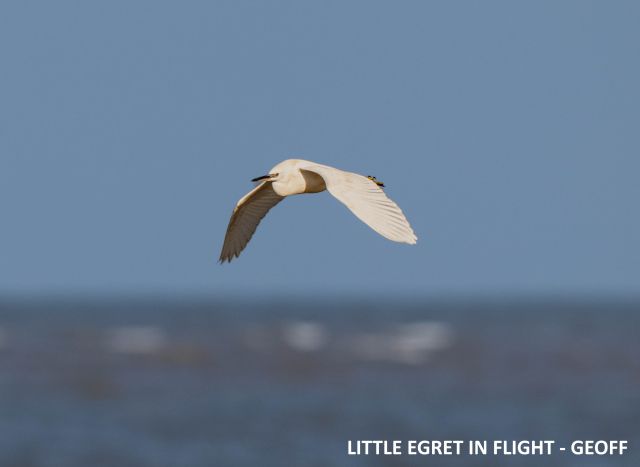
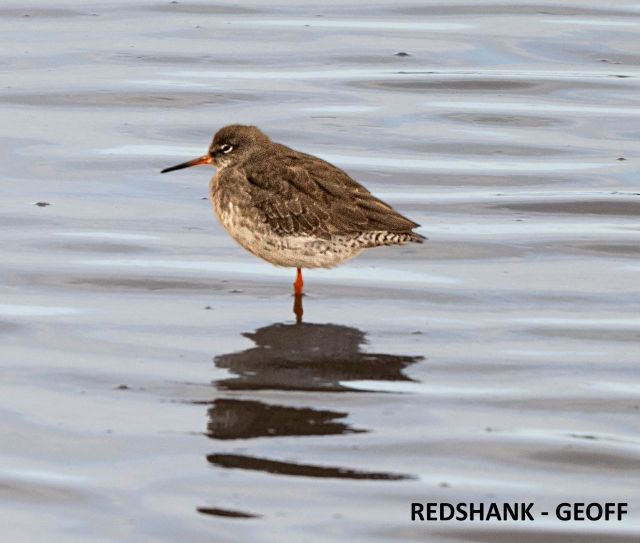
From the start, we enjoyed Redshank and Knot, with Oystercatcher, Turnstone and Shelduck also seen. We walked slowly towards Hoylake with the tide coming in and we added Rock and Meadow Pipit, several Little Egret and a small flock of Mallard. Three Whooper Swans flew overhead heading for Sefton, and rafts of Common Scoter could just be spotted way out at sea.
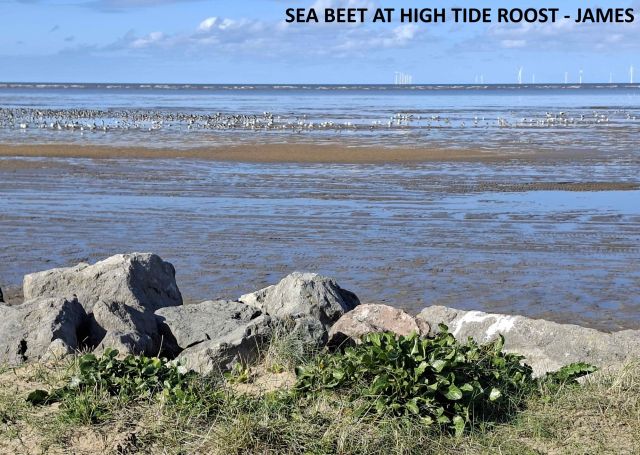
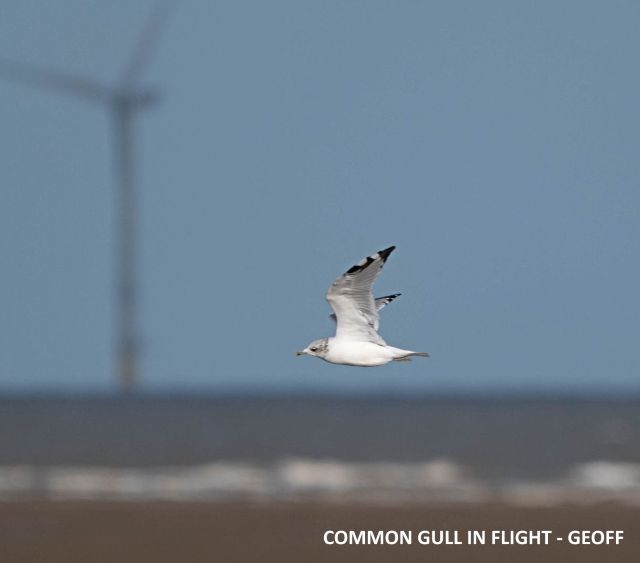
At the lifeboat station, flocks of birds were roosting over the high tide. Both Black-tailed and Bar-tailed Godwits were present, along with Curlew, Dunlin, Ring Plover, Sanderling and Grey Plover. There were five species of gull. Of course, ever-present Cormorants were on the beach or on the sea.
A dark “blob” on the sea turned out to be a Great Skua! It lifted off and plunged into a flock of waders before flying inland, but later it returned to rest on the sea again. Bird of the day!
Members eventually started to drift away, some to the cafe! But just before I left, James picked out a distant Peregrine diving into a wader “cloud”. A nice end to an enjoyable day. A grand total of 43 species were noted.
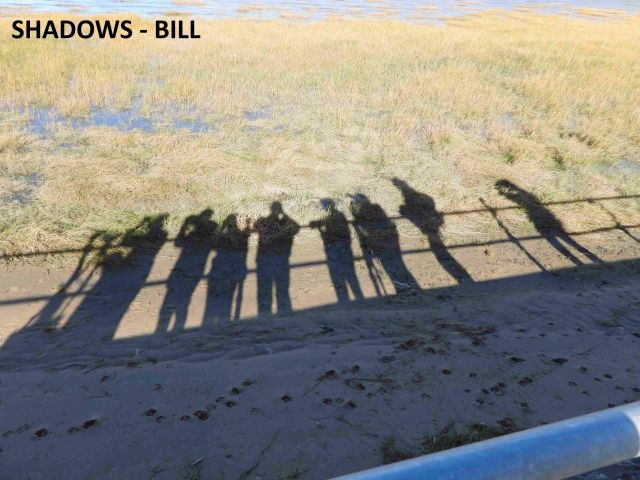
Photos curtesy of Bill, Geoff, James and Hugh. Plus, there will be more in the next Hugh’s News.
Thank you to everyone who supported the meeting.
Hugh
Hilbre Over High Tide – Sunday 13th September 2026
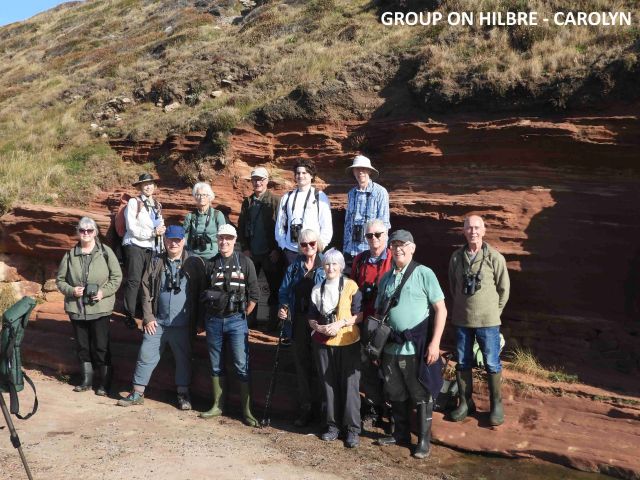
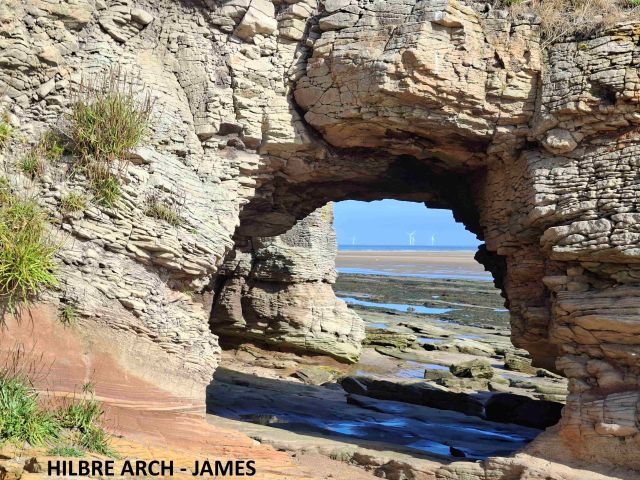
What a wonderful day we had on Hilbre! The warm, sunny weather made the islands look especially stunning, with a calm sea adding to the peaceful atmosphere.
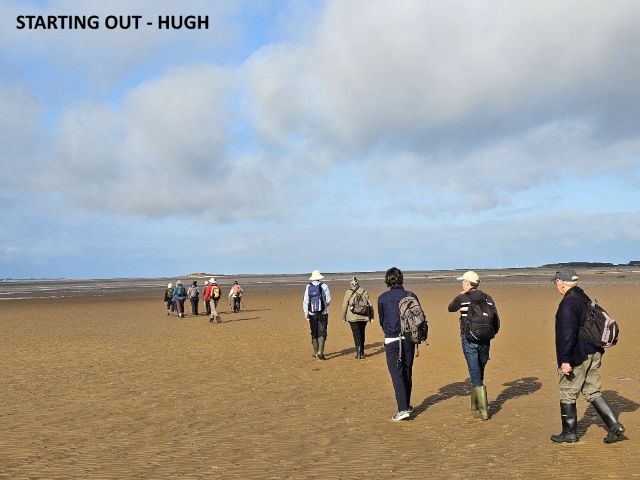
A Raven honked as the 14 members left West Kirby. As we walked across the sands, we saw a few Pale-bellied Brent Geese, returning for the winter.
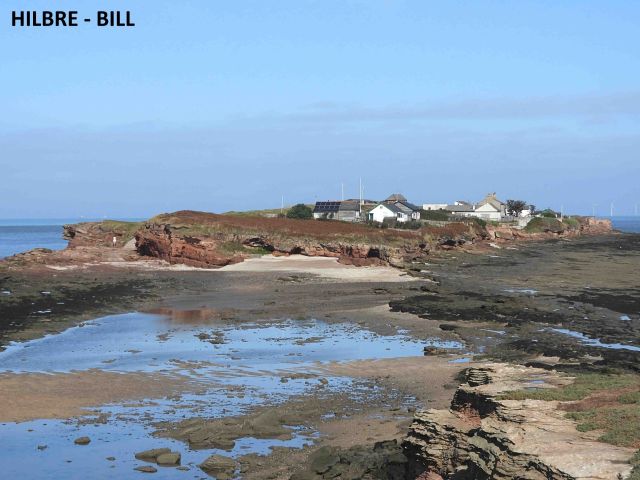
Reaching Hilbre, we settled in for the day. Thank you to Friends of Hilbre for making the day room available as a base.
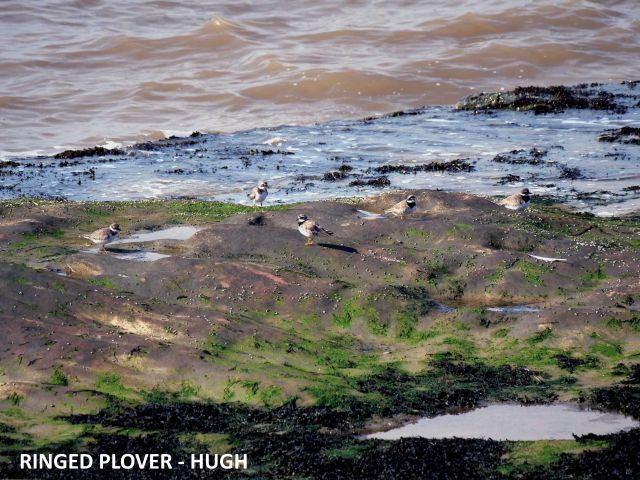
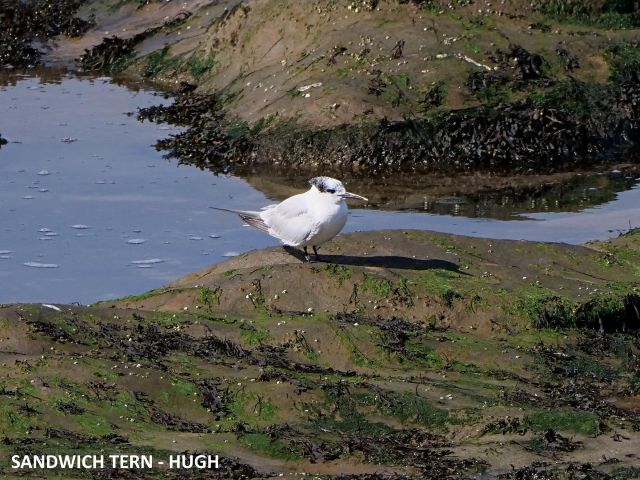
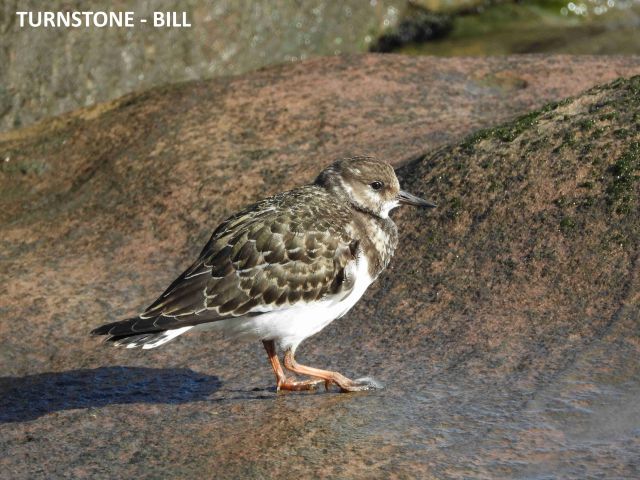
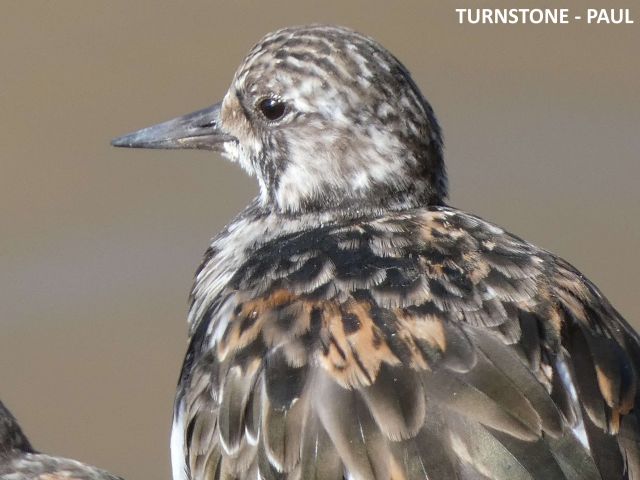
Rock Pipits were seen frequently, with several sporting coloured leg rings. Oystercatcher was the most numerous wader, with smaller numbers of Redshank, Ringed Plover, Turnstone and Curlew, plus the occasional Black-tailed Godwit and Knot. Several Little Egrets and a Grey Heron roosted on Middle Eye above the waders. A single Sandwich Tern loitered on the rocks before flying off to fish.
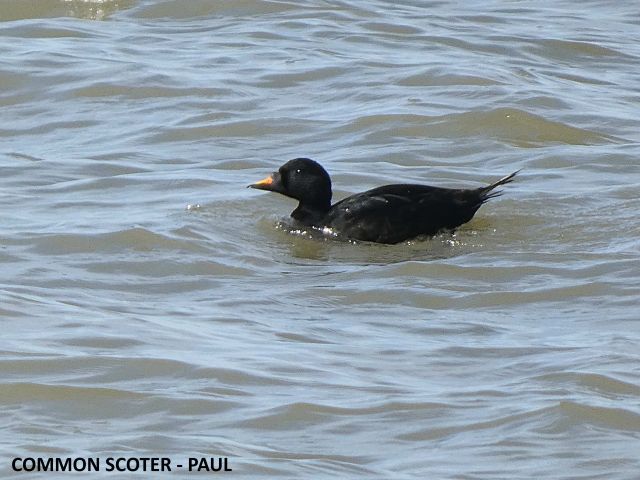
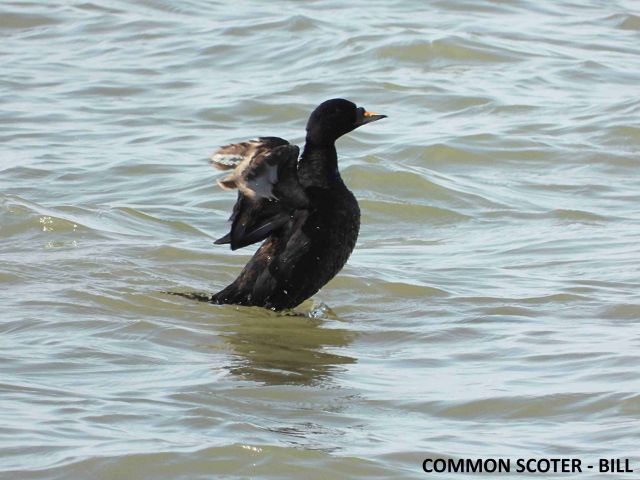
On the sea were fishing Cormorants and a small raft of Common Scoter. Curious Grey Seals came to check us out.
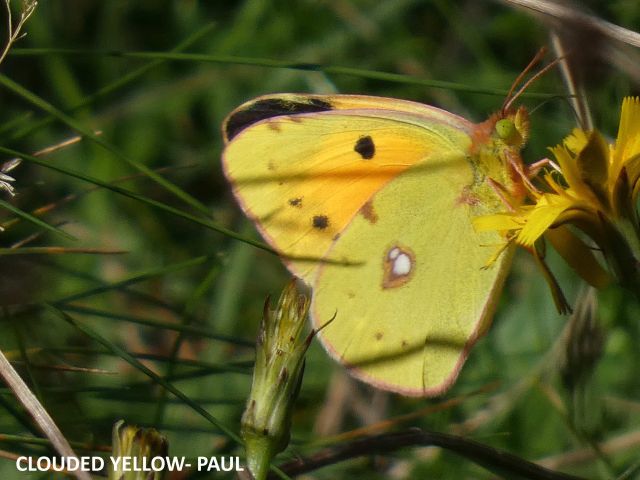
Perhaps the stand-out sighting was not a bird but the small number of Clouded Yellow butterflies. The colours on this migratory species were stunning.
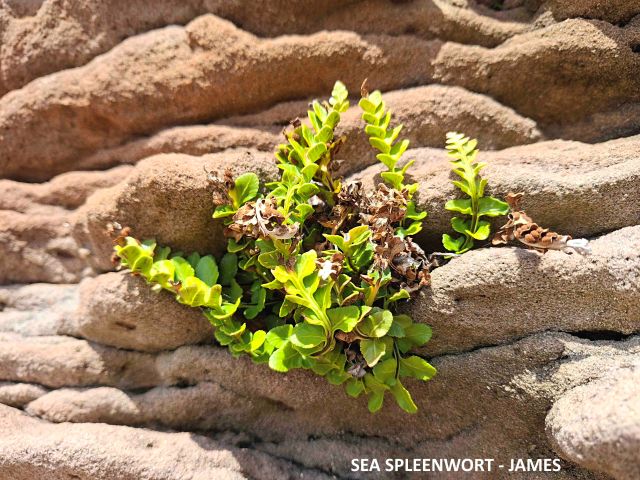
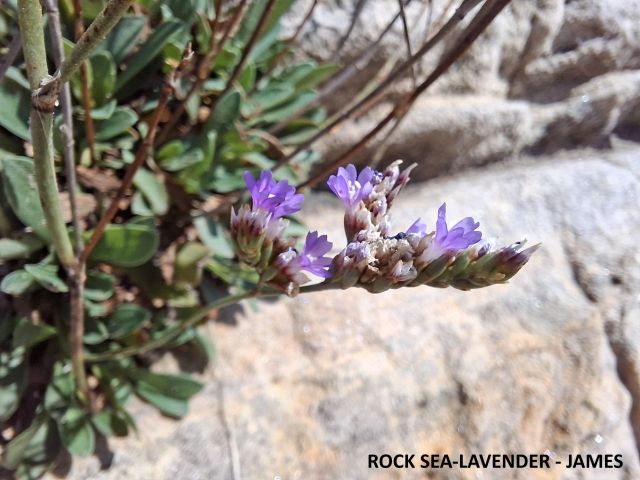
Past their best now, but James noted some of the rare plants found on Hilbre, notably Rock Sea-lavender (with small purple flowers) and Sea Spleenwort (a type of fern).
Willow Warbler and Wren were both secretive in the garden bushes.
Later, hundreds of what looked like Pink-footed Geese were streaming over the distant Clwydian hills.
It is sobering to think that on such a glorious day, these birds are arriving for the winter!
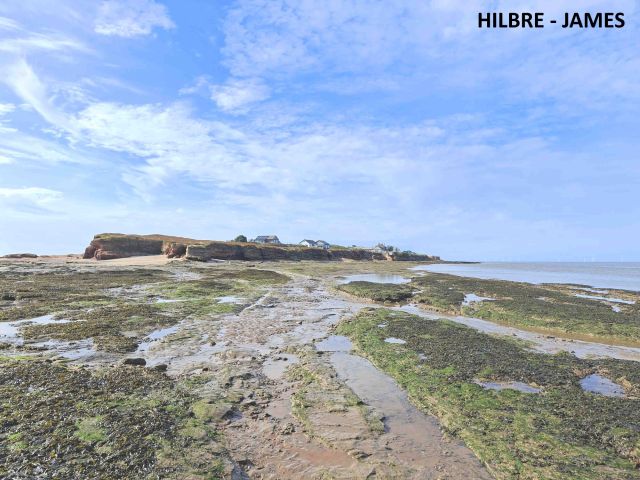
As the tide receded, we returned to the mainland – to be greeted by a calling Raven again!
Thanks to Bill, Paul, James, Hugh and Carolyn for the photos.
Hugh
Burton Woods & RSPB Burton Mere Wetlands – Saturday 25th July 2026
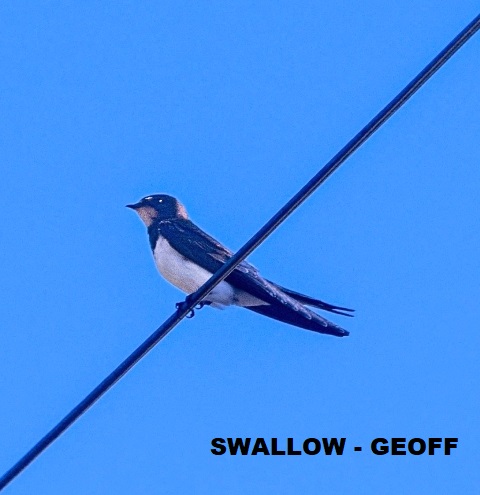
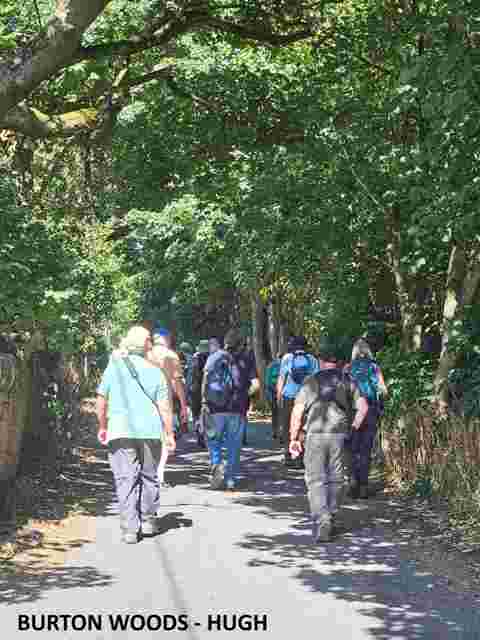
The walk up to and through Burton Woods was pleasant even if the birding was somewhat quiet. An impressive 22 Members set off into Gorse Covert Wood, but the birds were mostly silent and all the leaves made seeing them difficult. Reaching more open ground we were buzzed by Swallows and a few House Martins. A family of Greenfinches was seen in Burton atop a tall conifer, until a Carrion Crow rudely chased them off.
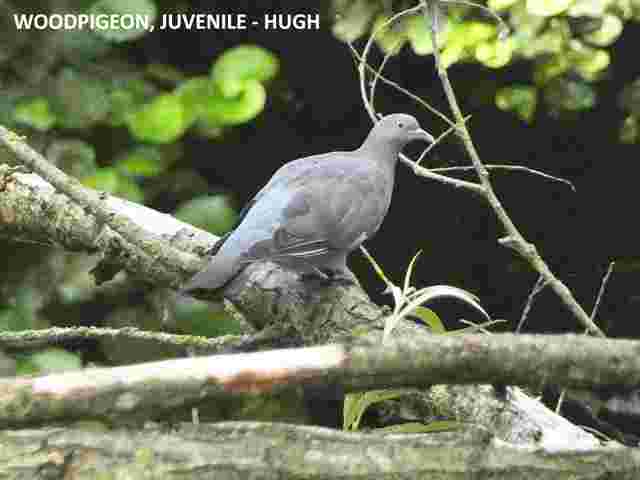
Reaching Burton Woods, we found a few uncooperative birds high in the trees, including Goldcrest, Nuthatch, Treecreeper and possible Blackcap. Returning to the village, a flock of Woodpigeons feeding in a field included a couple of young birds still lacking the white neck markings. Butterflies were enjoying the morning sunshine however.
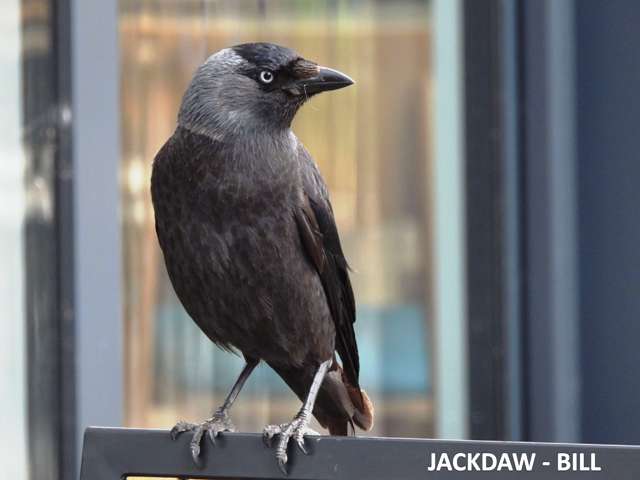
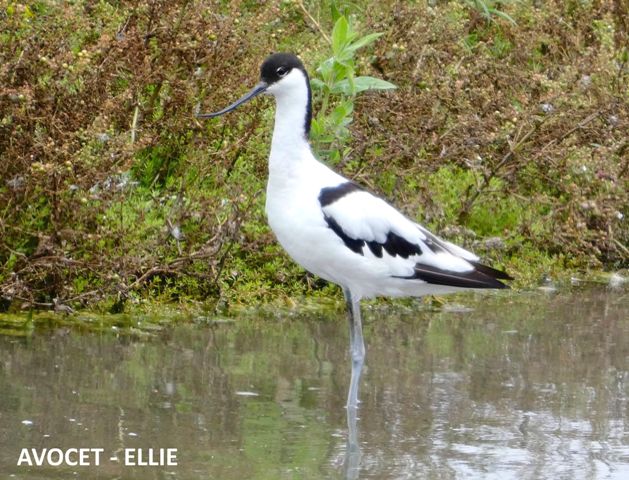
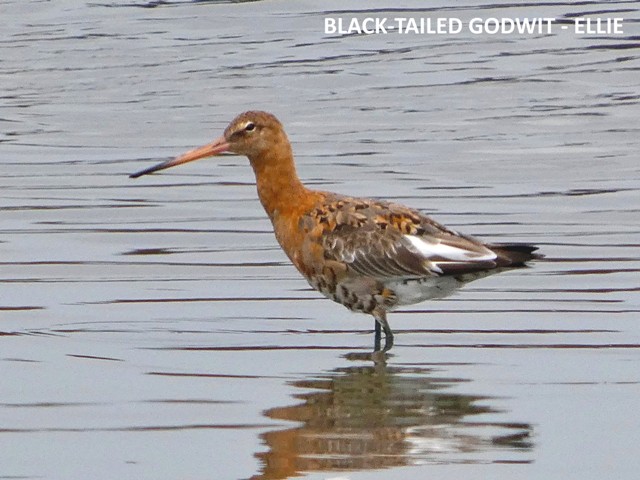
Many Members stayed after lunch to visit the BMW Reserve. This was more productive! Avocet, lots of Black-tailed Godwits and a single Goosander were on the Scrape. Many of the duck were moulting into their post-breeding, eclipse plumage, making identification that little bit trickier. A cheeky Jackdaw was looking for scraps outside the café!
Jane struck gold when she saw a Bittern and a Kingfisher together from the Reedbed Screen!
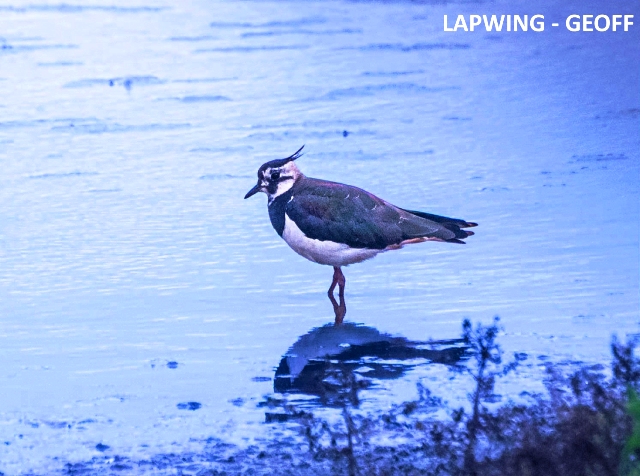
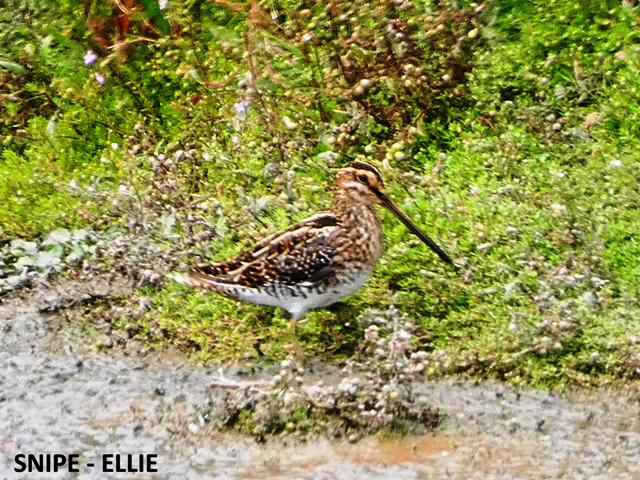
Border Hide gave good views of Avocet, Lapwing, several Ruff in different stages of moult, a couple of Snipe and a Green Sandpiper. Surprisingly the only raptor seen all day was a Kestrel.
A short squall led to most people returning to the Centre in case the rain got heavier – but luckily it didn’t! Overall, it was a successful day, with some 44 species seen or heard.
Photos are curtesy of Ellie, Geoff, Bill and Hugh.
Hugh
Llyn Brenig – Sunday 28th June 2026
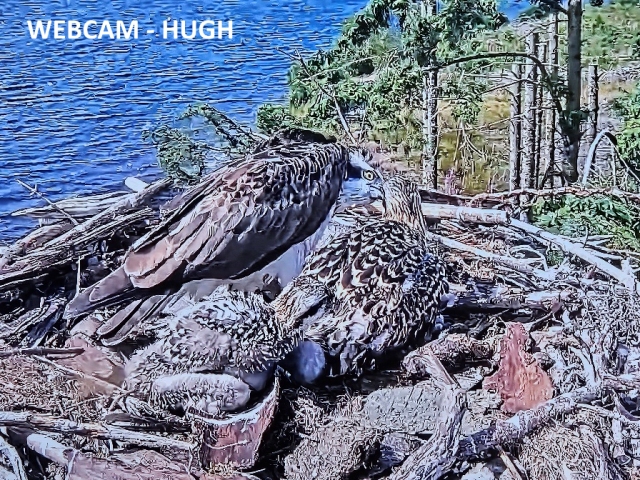
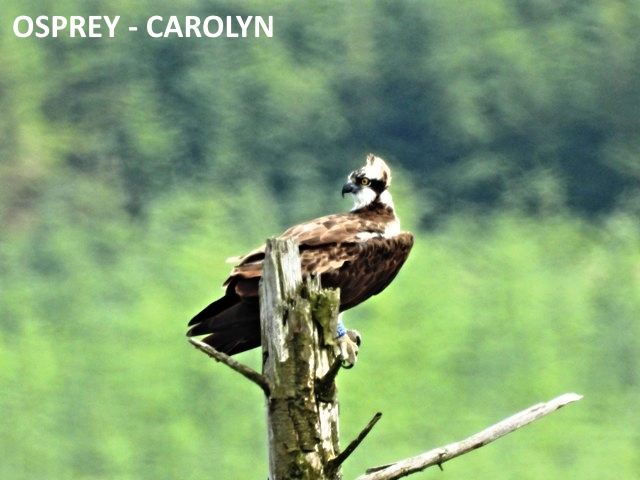
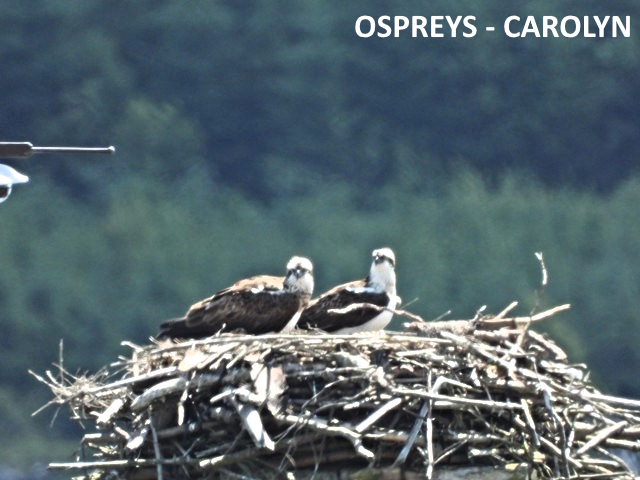
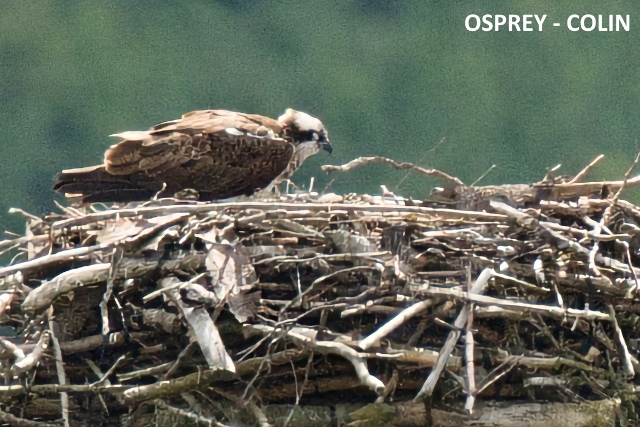
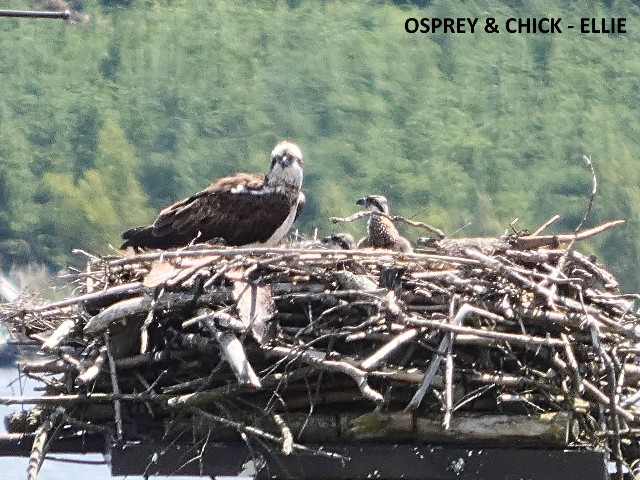
The breeding Ospreys were definitely the stars of the day. The back story of this iconic species is such a positive one, I think it really adds to their aura. From near extinction in the UK in the late 19th Century through heavy persecution, to there now being over 4,400 breeding pairs in Scotland, England and Wales – an amazing 17% of the entire world population.
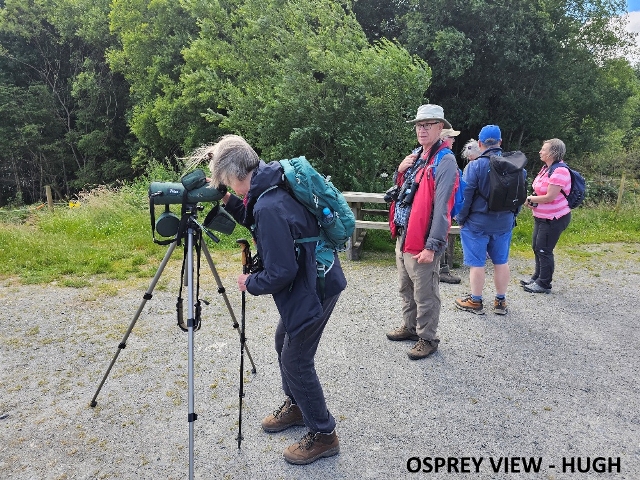
We started our day visiting the North Wales Wildlife Trust viewing point where we were mesmerised by the telescope views of the distant nest and the crisp images of the CCTV cameras. There were 2 fast growing chicks and a proud mum sitting on the nest. Dad was close by and brought in a fish at one point which Mum gently fed to the youngsters. Dad was also very alert to a third Osprey that wandered by.
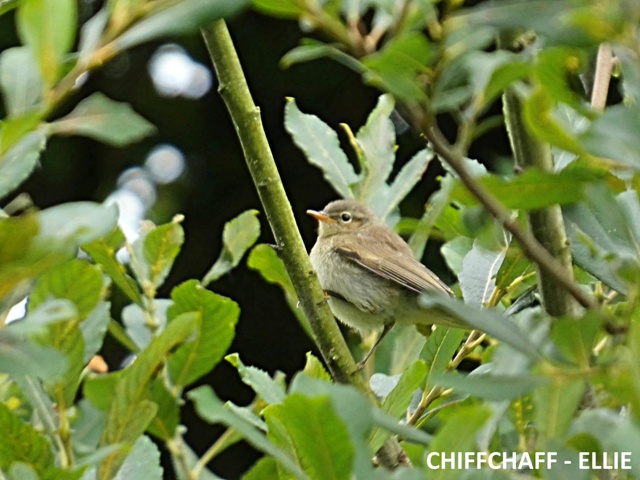
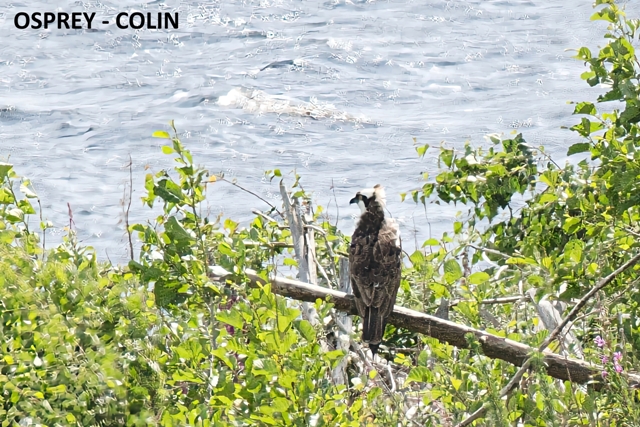
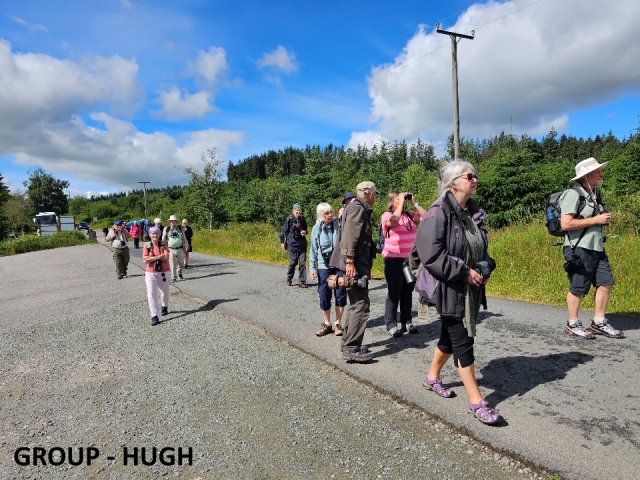
Some members went to the photographic hide while the rest of the group walked a bit further down the track. We noted Willow Warbler, Chiffchaff, and Blackcap and Garden Warbler. We found a vantage point that gave us slightly closer views of the Osprey nest, and the male flew up and circled at one point before settling again on a nearby tree.
We retraced our steps and made for the Visitors Centre for lunch.
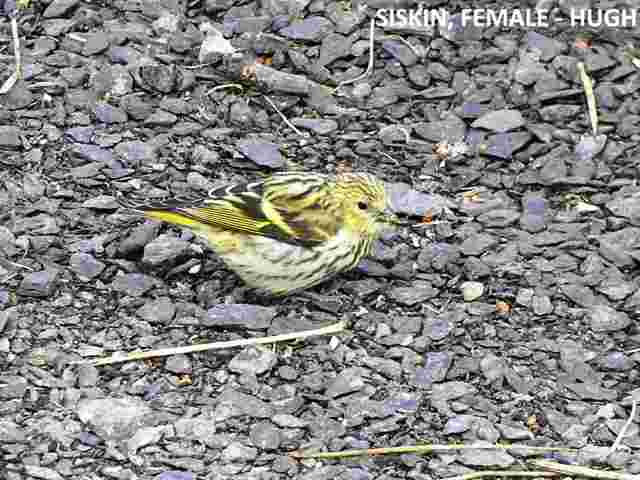
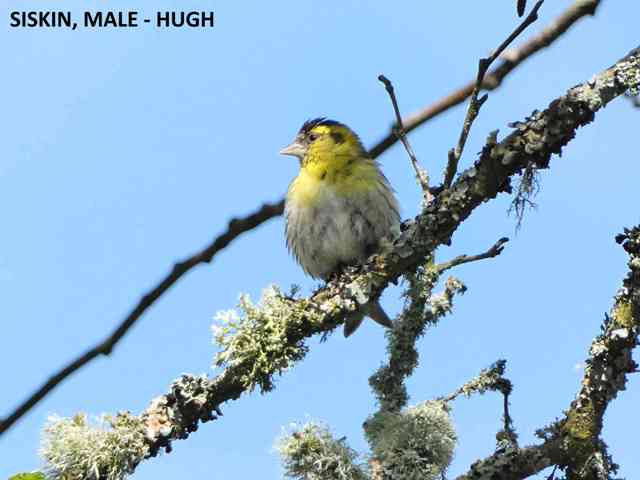
Siskins were the most common bird especially at the feeders, with lots of juveniles with the male and female adults. Nuthatch, Greenfinch, Chaffinch and Bullfinch were seen here too.
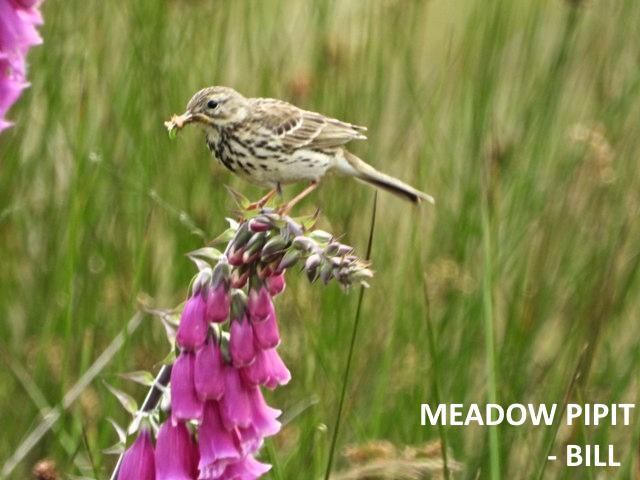
After lunch we walked along the reservoir dam in a loop. We added House Martin, Sand Martin and Swallow. A Meadow Pipit had food in its bill heading to a hidden nest nearby. A pair of Stonechats is always nice to see.
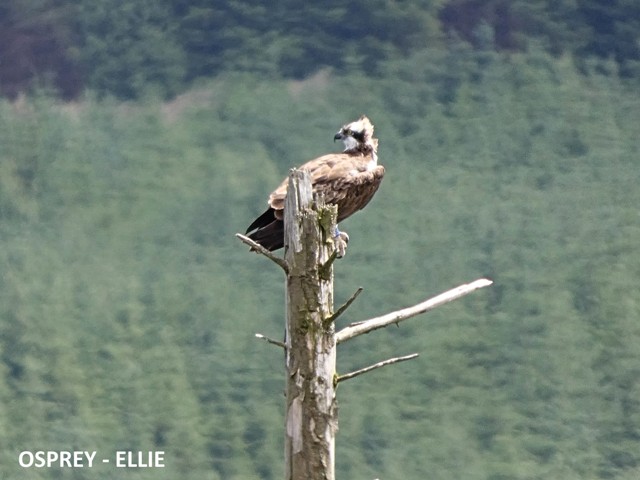
Photos courtesy of Ellie, Colin, Bill and Hugh, plus Carolyn using Bill’s camera!
Hugh
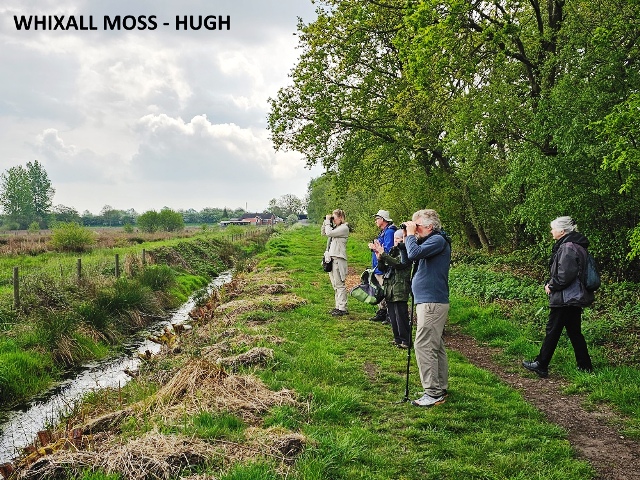
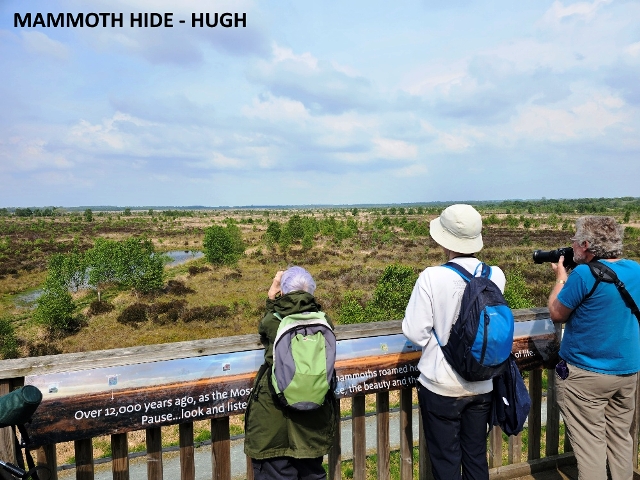
Whixall Moss – Saturday 9th May 2026
Early morning rain had just about stopped by the time we congregated at the car park, and there was a symphony of bird song from the surrounding trees. Blackcap, Chiffchaff and, perhaps surprisingly, Raven were notable early ticks.
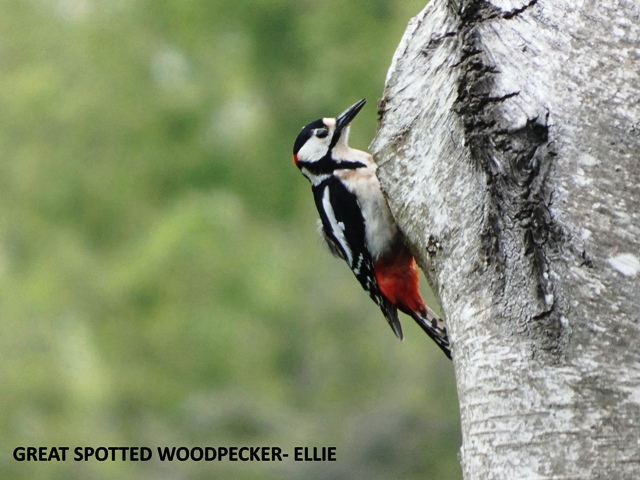
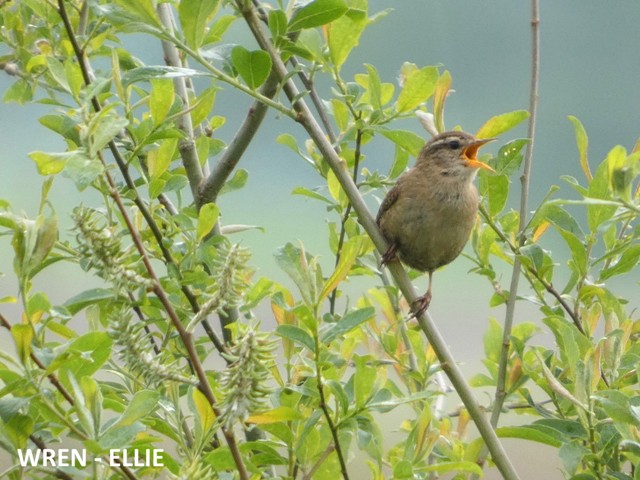
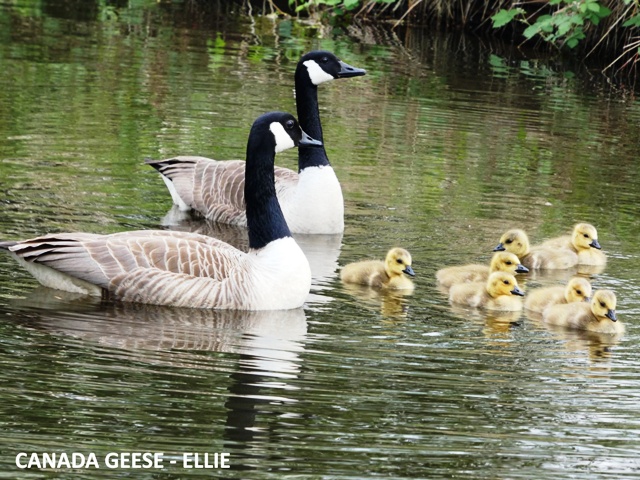
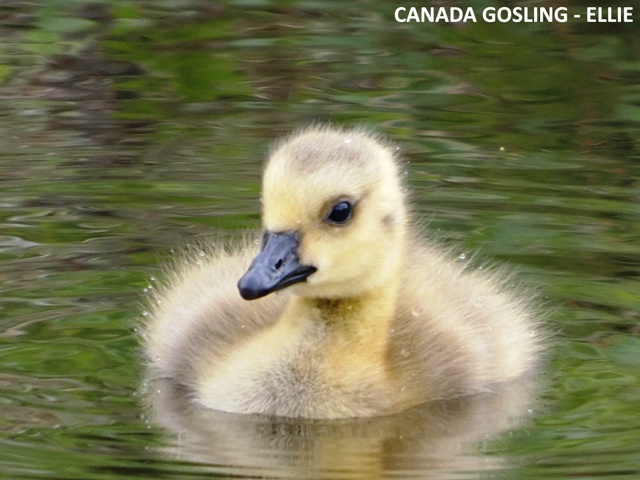
Walking back to the bridge over the canal, a Water Vole swam quickly across the water. There was a pair of Canada Geese with young goslings – we were to see and hear Canadas the whole day! Moving along a ride, Whitethroat and Garden Warbler were heard, but the latter remained hidden. A Wren and Great-spotted Woodpecker posed low and high respectively.
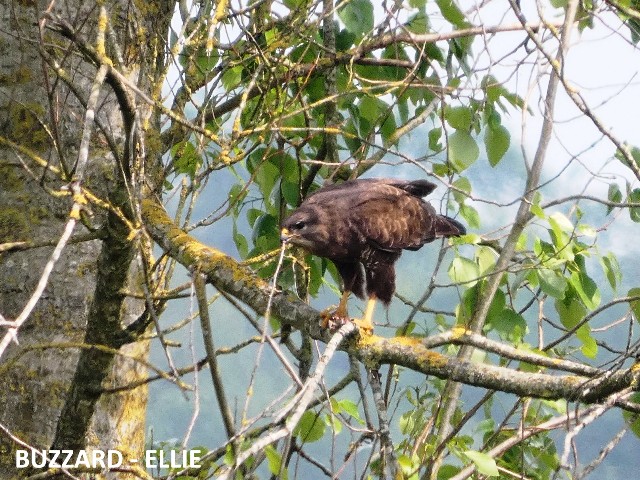
Reaching the moss proper, Willow Warbler and Reed Bunting replaced the woodland birds. A Cuckoo was heard by a couple of members – and in the afternoon we had brilliant views. No, only joking Ellie – there was no further sign! We did all see Hobby though, our target bird for the day. We saw at least 5 birds – or maybe some views were the same birds circling back! We saw a female Marsh Harrier, at least 2 Buzzards and a Kestrel. We heard Curlew and eventually saw 2 birds flying over. One or two pairs of Lapwing were noted in display flight.
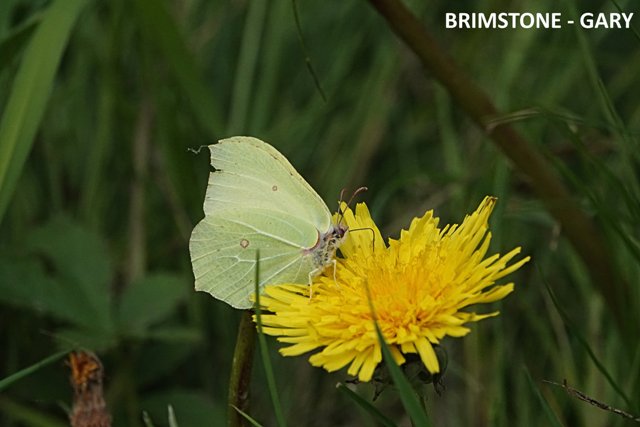
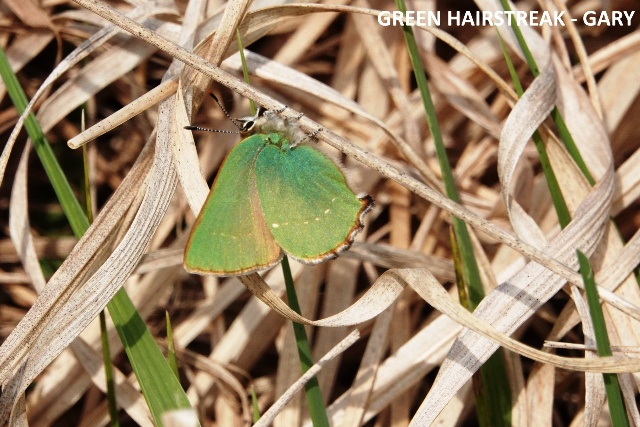
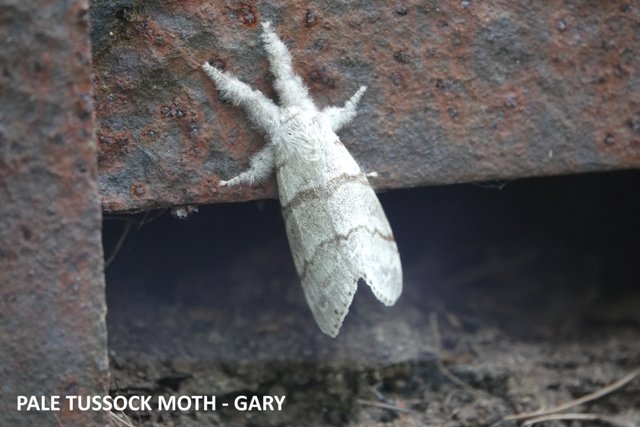
As the sun came out more and the temperature rose, butterflies were much in evidence especially amongst the hawthorn blossom along the canal towpath. I’ve never seen so many Brimstones, and there were several Green Hairstreaks plus Peacock, Red Admiral, Speckled Wood and Common Blue amongst others; plus a very hairy Pale Tussock moth! A few dragonflies were seen.
It was a long day even though we only covered a part of the mosses, but a productive one, with just short of 50 bird species seen or heard as well as some other nice species.
Photos by Ellie, Gary and Hugh.
Hugh
Canal Trip – Saturday 2nd May 2026
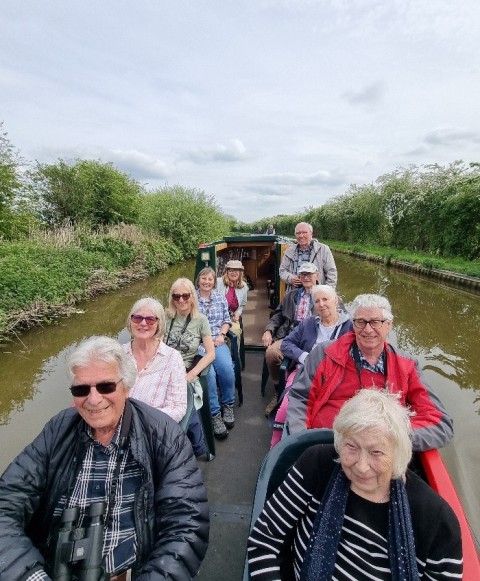
On a beautiful Saturday morning a group of the bird club went on a day trip along the Shropshire Union Canal from Chester to close to Tiverton, enjoying clear views of both Beeston and Peckforton Castles along the way. A trip that would have taken fifteen minutes each way by car took all day. And what a lovely day it was. The sun shone, there was not a breath of wind, with the water being calm and very still. It was very pleasant to travel at only three miles an hour, to relax and let the birds come to us.
The sounds of the day were definitely the chiffchaffs, blackcaps and wrens all of which showed themselves well with sightings throughout the trip. The odd Cetti’s was heard but not seen.
Over forty species were seen during the trip including whitethroats, lapwings, greylag geese, robins, goldfinches, long-tailed tits, cormorants and a couple of sedge warblers. Plenty of birds were nesting, with a Swan taking up residence in the back garden of a house which backed onto the canal.
Buzzards hung high in the air and a sparrowhawk flew along the canal staying low overhead for some time giving us excellent views. Shortly after this a male kestrel kept pace with us along the canal edge sitting on a number of tree branches close by, so we could see it clearly.
Unfortunately, the bird which alluded us was the kingfisher, but that’s the nature of birdwatching, you never know what you will see.
Tiny canada geese goslings, mallard chicks and moorhen chicks delighted us as they swam close to the boat. We saw water voles and a recently born calf which, by the time we were on our way back along the canal, was up and standing. There were plenty of spring blossoms and flowers along the route.
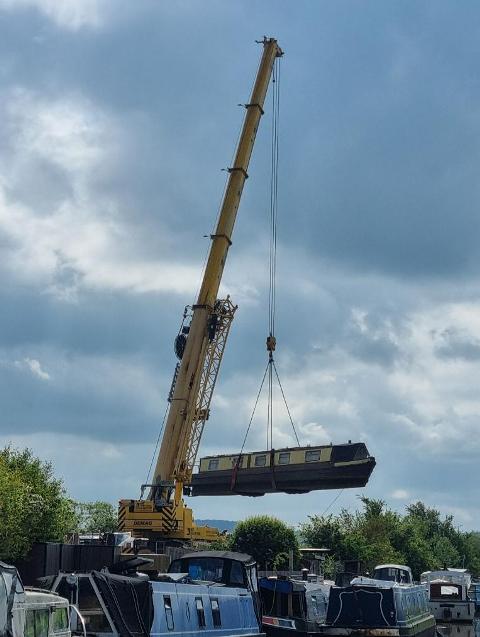
Would you believe we saw a crane and a flying boat!!!! – see photographic evidence below.
Carolyn
RSPB Blacktoft Sands (by coach) – Saturday 25th April 2026
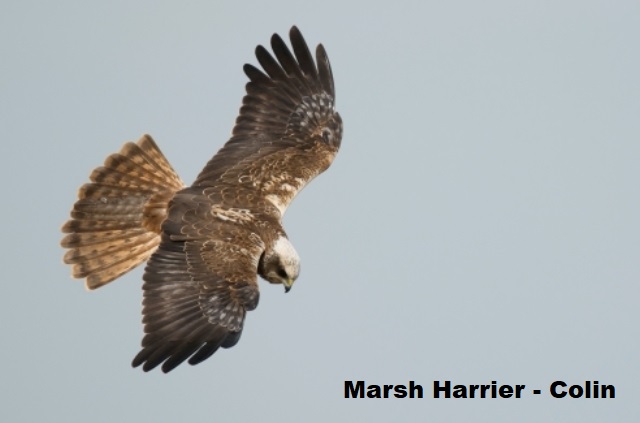
An impressive 41 departed from sunny Wirral, heading east to a wonderful RSPB Reserve located on the south bank of the River Ouse, where the waterway widens into the Humber Estuary. A 32-acre nature reserve, the tidal reedbeds are the second largest in the UK and grazed by ponies, hiding many pools within. There are 6 lagoons throughout the reserve and it is considered a key breeding site for Marsh Harriers, Bitterns, Bearded Tits, alongside seasonal waders such as Avocets.
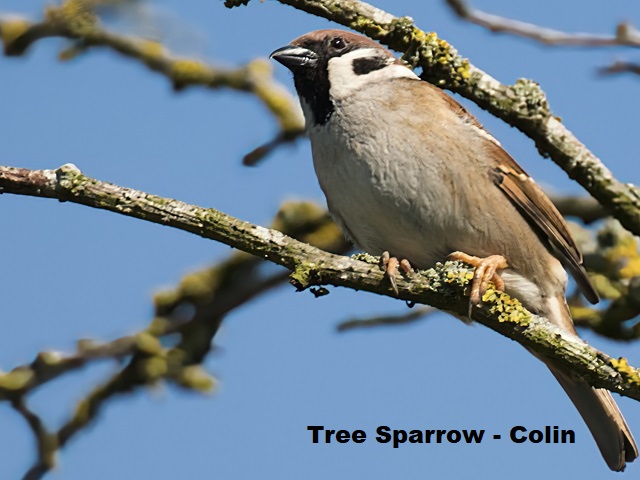
As we disembarked under the glorious rays of sunshine into the car park, Tree Sparrows were spotted flitting in the Hawthorns, showing interest in the nesting boxes. A great early spot of a ‘lifer’ for a couple of members. Common Whitethroat and a displaying pair of Marsh Harriers were also showing well on our approach to the visitors centre. During our introduction talk at the centre, given by John, a volunteer originally from the Wirral, we were advised that key to holding onto the Tree Sparrows at this site was regular feeding. It’ll be interesting to see how that plays out with the recent RSPB advice regarding the feeding of our garden birds! It was a very informative talk to set our expectations with Bittern having shown well and Cuckoo heard prior to our arrival that morning. It was also clear how important the reserve is for the Marsh Harriers year round with good views expected throughout the day.
There are two linear trails at Blacktoft Sands taking in six hides with stunning views over the reedbed, marsh and fields. Our plan was to split into two groups and take one route per morning and swap over in the afternoon. Best laid plans! With so much around of interest to the eyes and ears, we did manage to stick to the 50/50 split but keeping the groups together was a much harder feat with members buddying up and taking things at their individual pace.
The reedbeds were full to the brim with the sound of Sedge and Reed Warblers all day long and plenty of Cetti’s not wanting to be outsung! A few Reed Buntings, the most easily seen amongst the dense reeds.
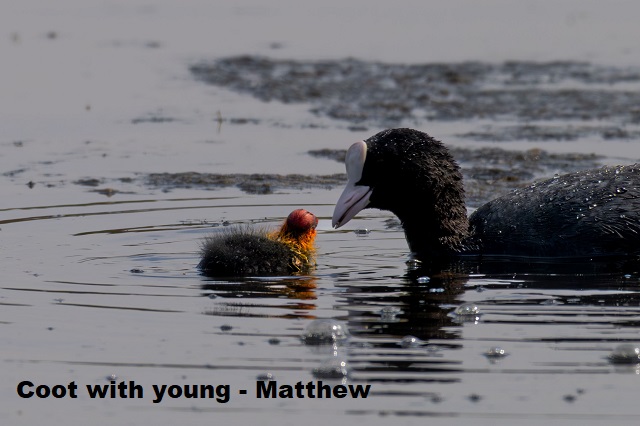
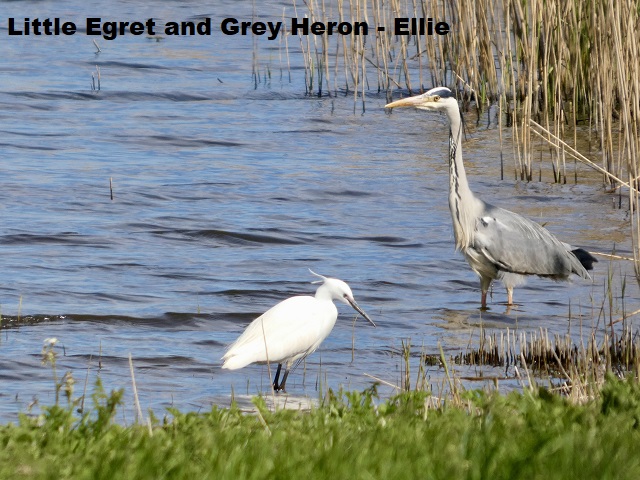
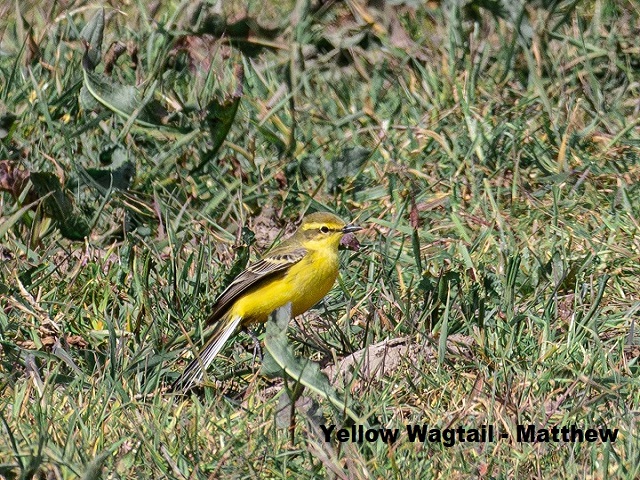
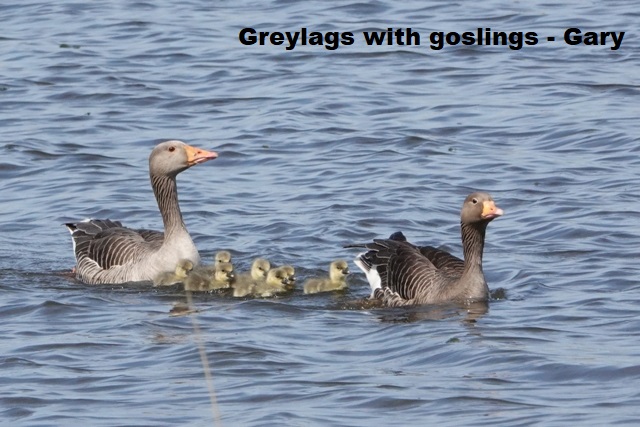
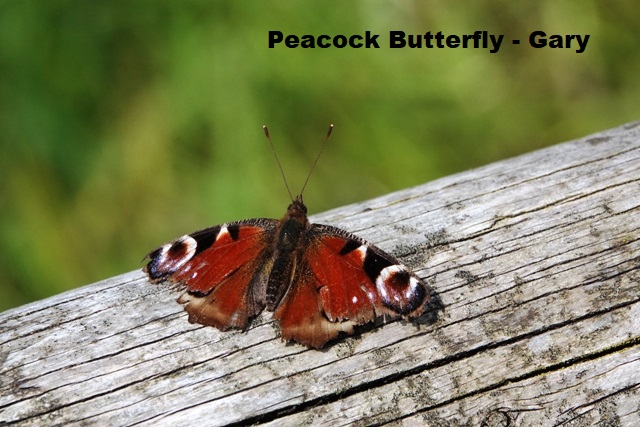
For a lucky few, Yellow Wagtail was the highlight, seen at Ousefleet Hide, and again in the paddocks (a pair!) with competition for sighting of the day from the Bittern that most of us did manage to see in flight! A surprising sighting was the Bearded Tits who are busy feeding young so we were keeping our eyes peeled for them flitting about. Distant views, but another tick for the day. A few young were spotted for the Greylags and Coots. Also many butterflies were around, with friendly Peacocks and courting Orange Tips aplenty.
A fantastic day for all involved with 61 bird species seen on the day. A couple of mammals also made the list with Roe Deer and Water Vole the stand-outs.
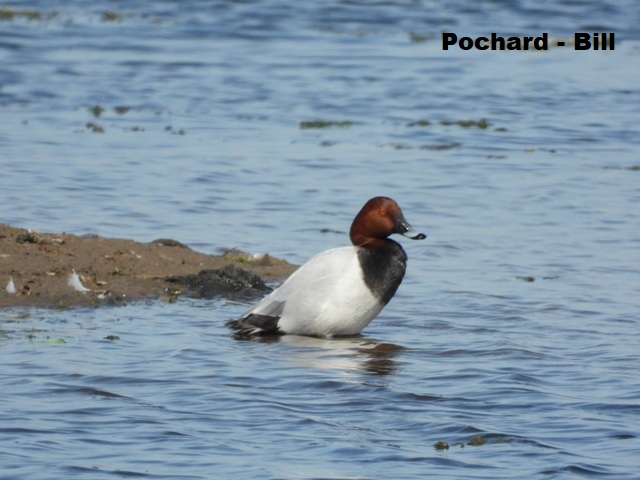
Thanks to Matthew, Gary, Colin, Bill and Ellie for the photos, and big thanks to all for a great day and the sterling job done by Colin, Carolyn and Gary in Hugh’s absence.
Ellie
Heswall Fields and Thurstaston – Sunday 12th April 2026
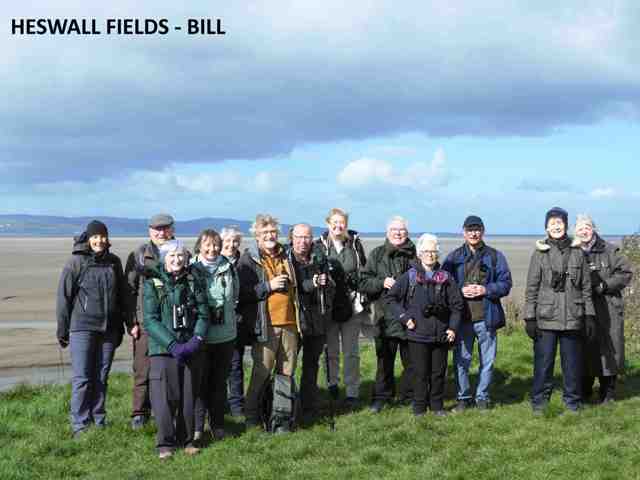
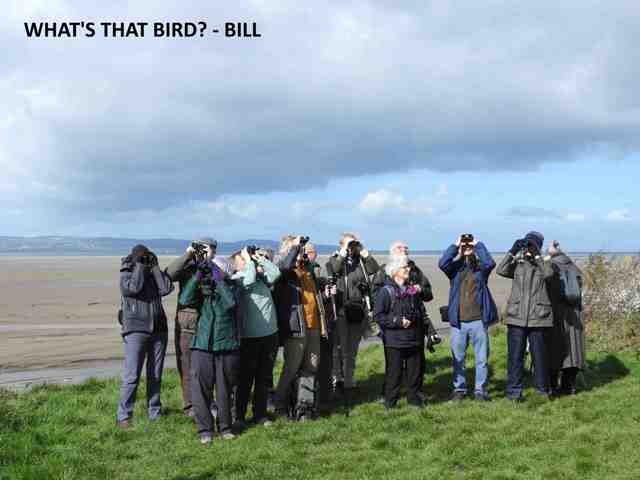
The day started in sunshine, and as we reached the boatyard, we started to pick out Swallows and House Martins feeding over the marsh. Pied Wagtails flew around the boats, and a couple of Greenfinches “wheezed” in a garden.
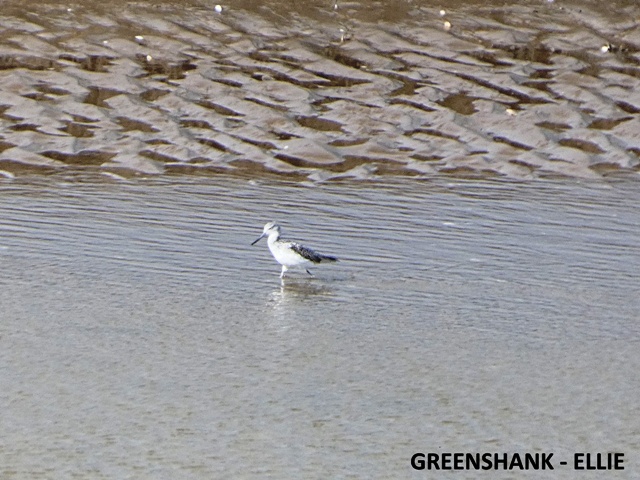
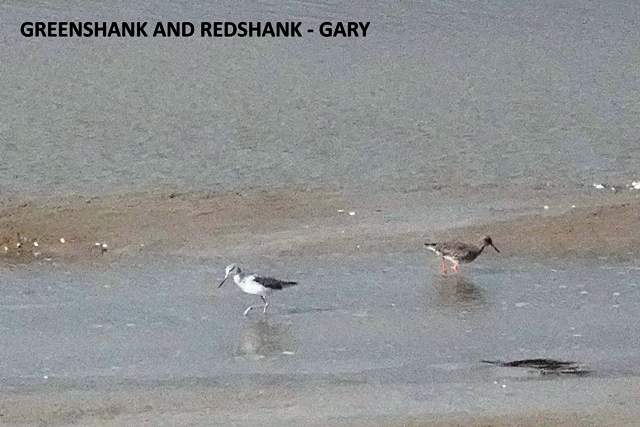
The tide was not particularly high, so waders were often hidden in the gutters. But we did see numerous Redshanks, a few Curlew and a single Greenshank.
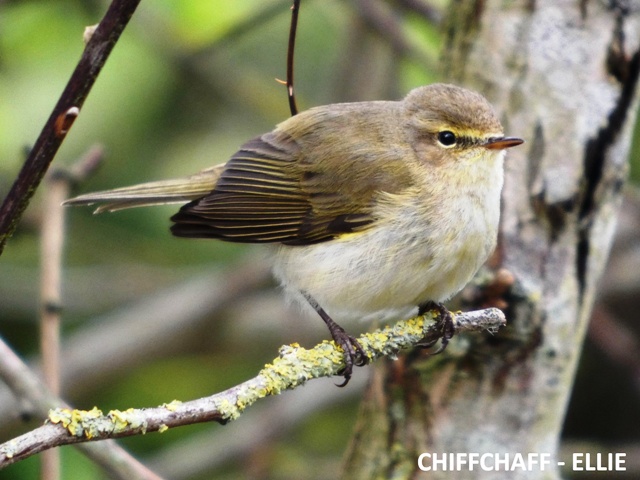
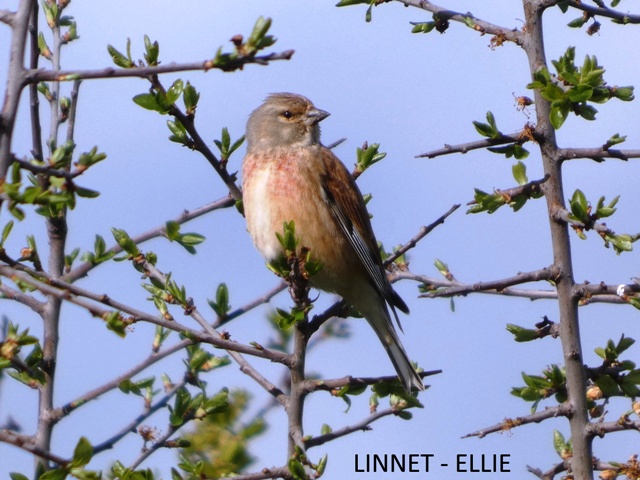
Walking off the beach up to Heswall Fields, Chiffchaff, Linnet and Goldfinch were seen. A Whitethroat was found but wasn’t cooperative.
We continued along the cliff-top path, scanning the shore and the fields. A single female Goosander was hauled out on a mud bank.
Then we had to shelter from an intense hailstorm! After a while, we hot footed it to Thurstaston to dry out and have lunch!
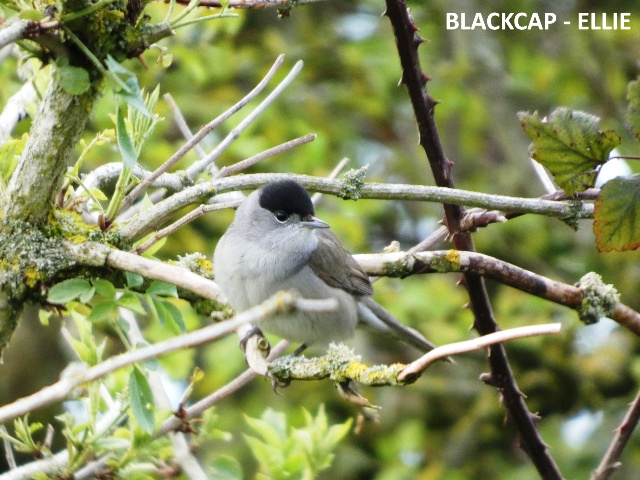
By the time we’d finished here, the weather was dry again, and we started our return along the Wirral Way. We had views of Jay, Willow Warbler, Blackcap and Song Thrush amongst other species.
We cut back to Heswall Fields in hope of better Whitethroat views, but in vain. People began to return to their cars and drift home.
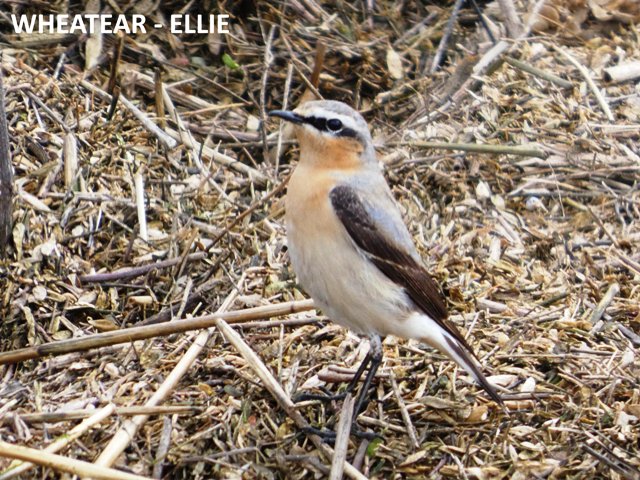
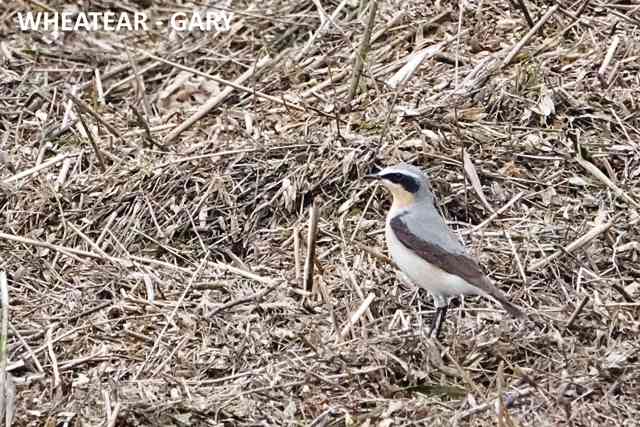
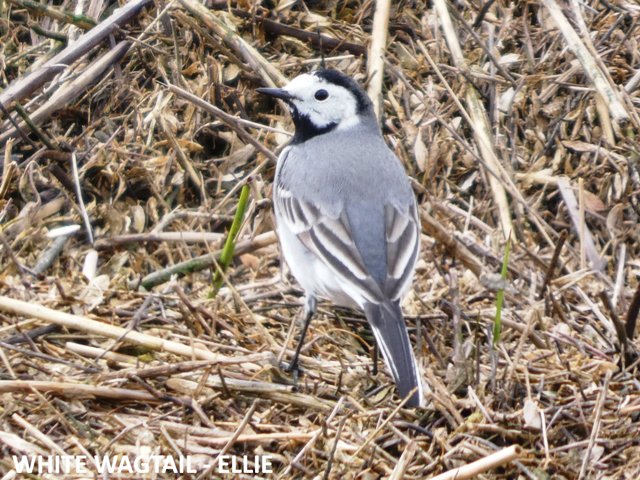
A hardy 4 drove a short distance to Riverbank Road, where we found White Wagtail (the Continental race of our familiar Pied Wagtail) and at least 6 Wheatear that had eluded us up until now.
Despite a bit of a wintry soaking, I think we all had a good day, with Spring migrants being the main theme. The influx will continue over the next few weeks. 52 species were seen or heard by the group.
Photos from Ellie, Gary and Bill. Many thanks.
Hugh
Moore Nature Reserve – Sunday 22nd March 2026
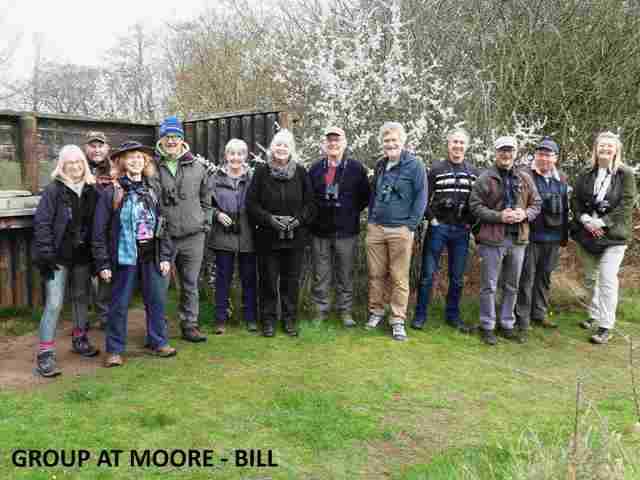
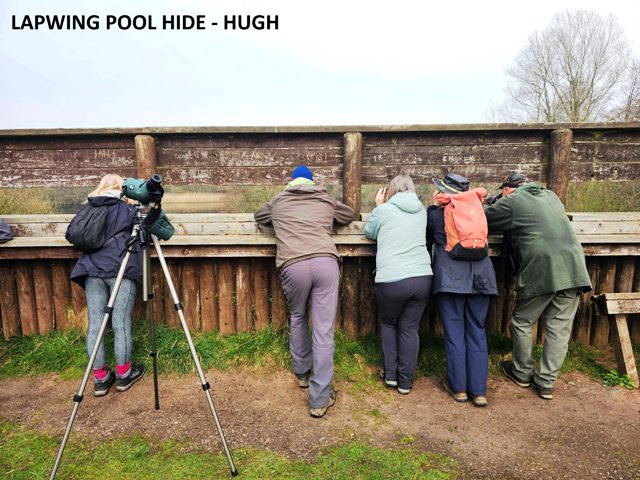
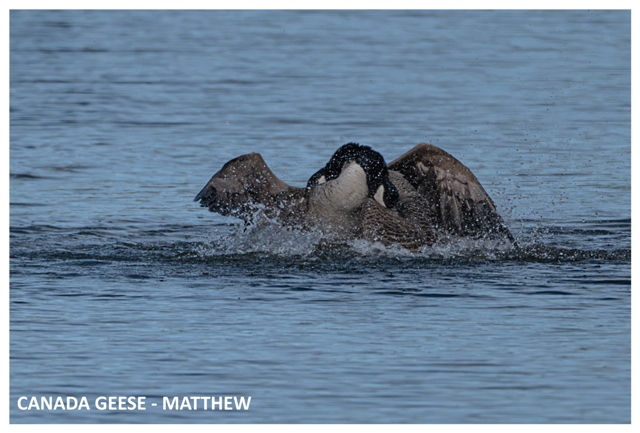
A baker’s dozen set off up the small hill to Lapwing Pool Hide. The first of many Chiffchaffs we were to see during the day was singing in the trees above the path. From the hide there were Tufted Duck, Coot and Canada Goose on the Pool. Little Grebes (or Dabchicks) gave their whinnying trill.
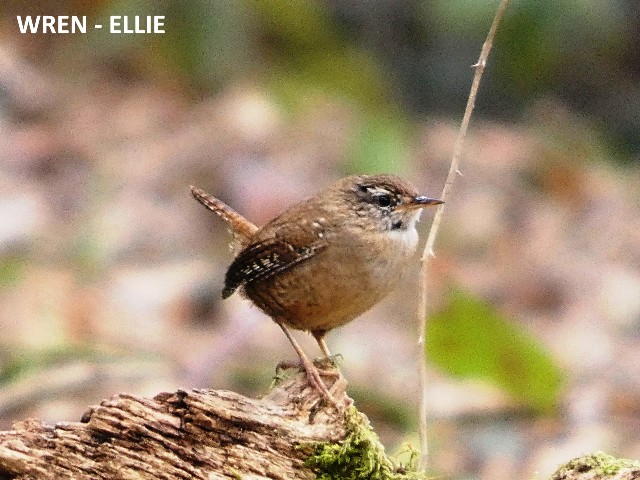
Carrying on, a Treecreeper was elusive, while a Sparrowhawk circled overhead. A Buzzard “mew” turned out to be a Jay mimicking the large raptor! We did see Buzzard later though, as well as Kestrel. Dropping down to the disused canal, Nuthatches called incessantly, and Robins were everywhere. Wrens were vocal, but difficult to get good views at times. The feeding station was very quiet with Blue and Great Tit, and a glimpse of a Great-spotted Woodpecker. As we returned to the cars, a Blackcap sang briefly before flying off.
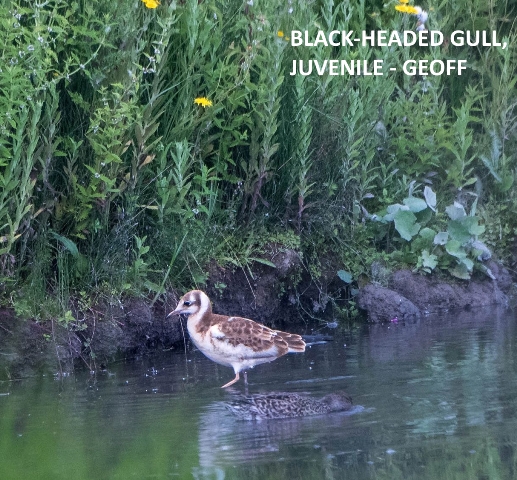
After lunch, we began to explore the eastern end of the Reserve. Birchwood Pool held more Tufted Duck plus Moorhen, with Great Crested Grebe and Teal, and both Lesser Black-backed and Herring Gull. On Pumphouse Pool we found a Heron on a well-hidden nest. A pair of Pochard and several Teal were on the water, and a small flock of Black-headed Gulls.
Walking further, a female Siskin was a nice surprise. The hide by the Eastern Reedbed has disappeared, and scrub is sadly taking over.
We decided to start our way back. A Mistle Thrush was singing but remained hidden. A single Greenfinch was the last bird of the day.
We walked quite a way, but we saw or heard 46 species across the range of habitats. Joyce will be happy that we didn’t see the Green Woodpecker that yaffled in the distance!
Photos courtesy of Ellie, Bill, Colin and Hugh.
Hugh
RSPB Conwy – Saturday 7th March 2026
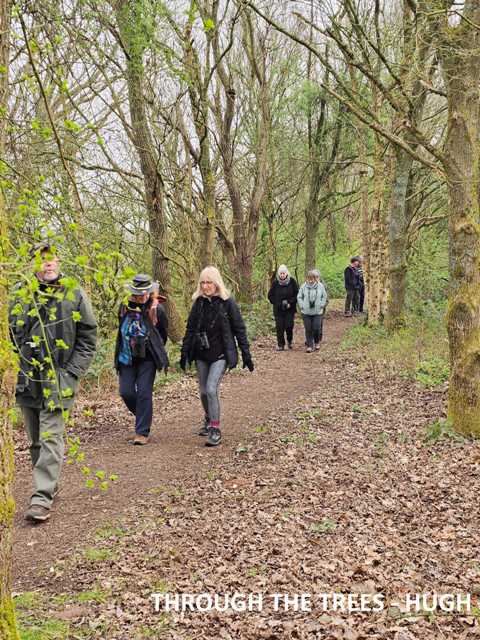
My long-term weather forecasting finally came good, as we enjoyed sunshine and blue skies virtually all day!
Starting at the café pool, there were just a couple Canada Geese and a single Little Grebe. But the birding soon picked up as we continued along the trails.
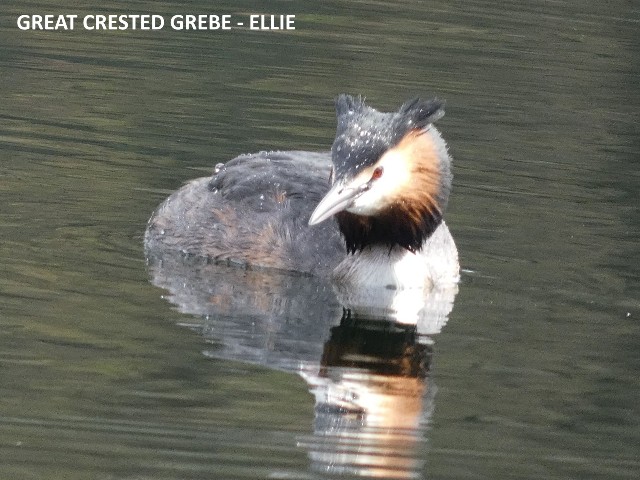
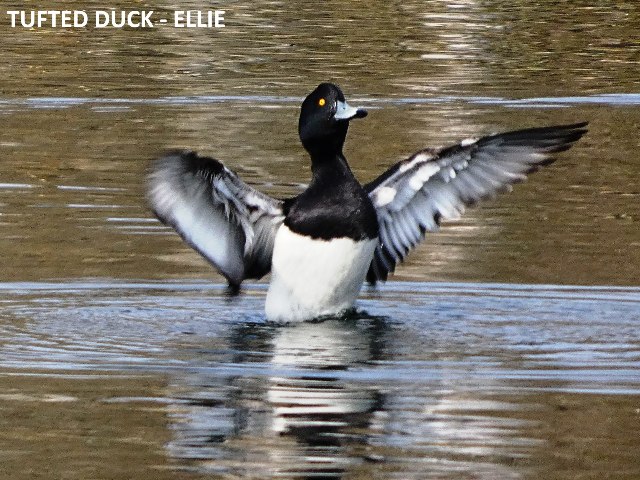
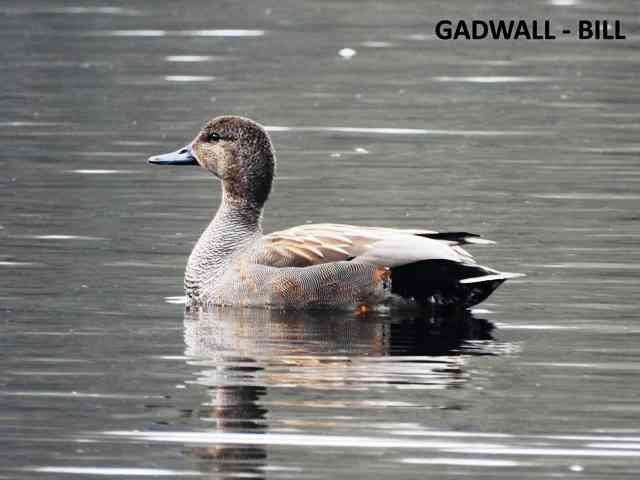
Other pools had Lapwing, Coot, Gadwall, Teal, Shoveler, Tufted Duck and a snoozing Red-breasted Merganser.
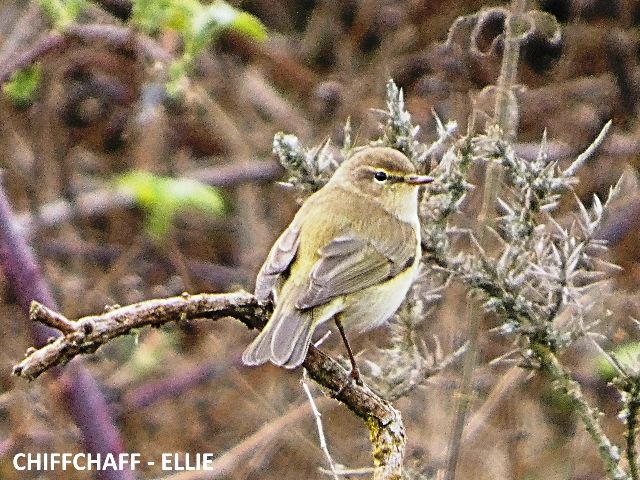
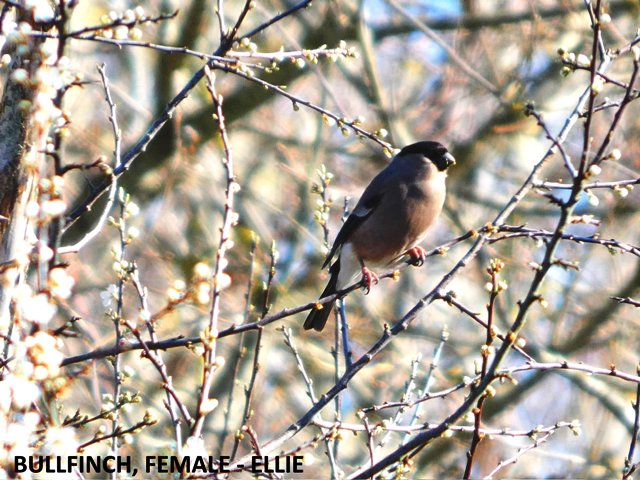
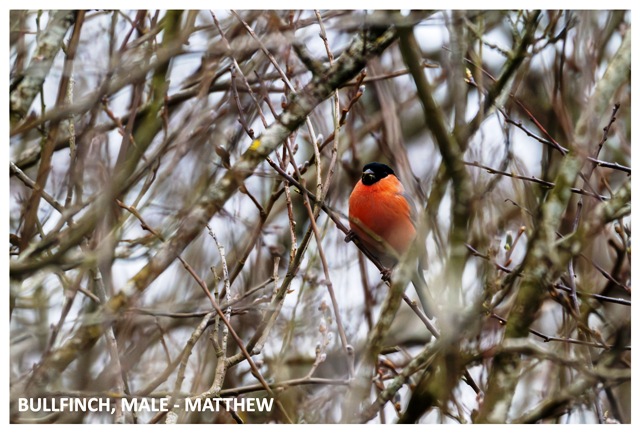
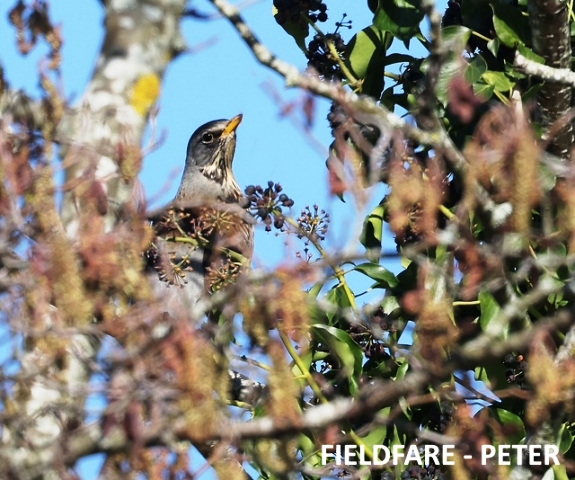
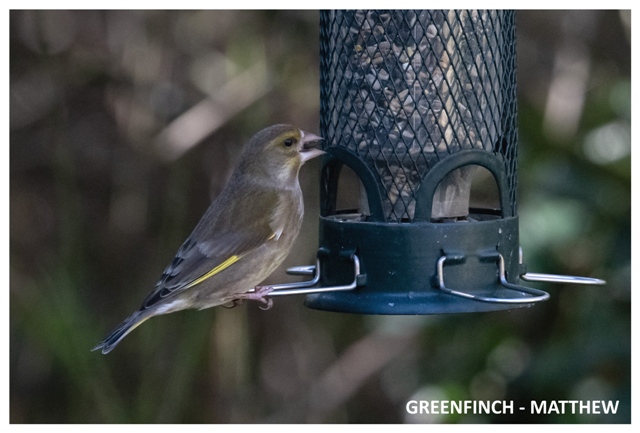
We started back through the more wooded area, and the day was brightened even more by a pair of Bullfinches. The feeders had Blue and Great Tits, Greenfinch, Dunnock and rats hoovering up the spillage! A late Fieldfare hid in some ivy, and several different Chiffchaffs were seen and heard.
After lunch, we walked down to the River Conwy, giving nice views of Conwy Castle and snow covered hills. A small flock of Wigeon were by the water’s edge.
From Benarth Hide, four greyish pipits caused some confusion, looking a bit like a cross between Water and Rock. On reflection, and having changed my mind several times, I now think they were Rock Pipits, possibly of the Scandinavian race littoralis!
The next two screens gave views of Curlew, Oystercatcher, Redshank, and single Spotted Redshank and Black-tailed Godwit. We finally found a lone female Goldeneye that had been reported.
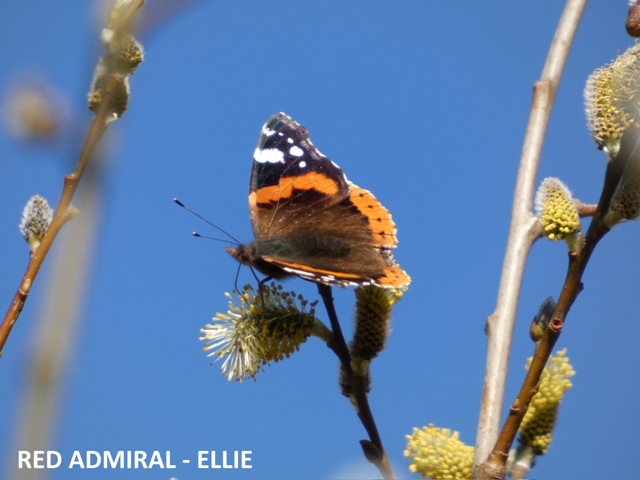
A Red Admiral sunning itself on some blossom was somewhat unexpected. It was probably an individual that hibernated over the winter.
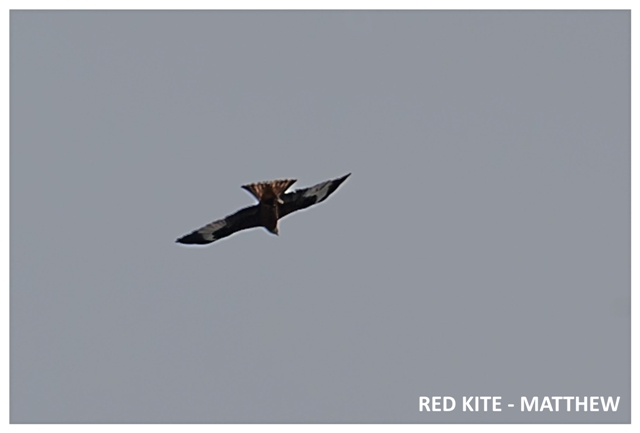
Bird of the day for me was a magnificent Red Kite that passed overhead – twice! They are becoming a more common sight now, but they are still awesome to see.
We had a good walk around the reserve, ticked a round 50 species on the day, and enjoyed the refreshments in the café!
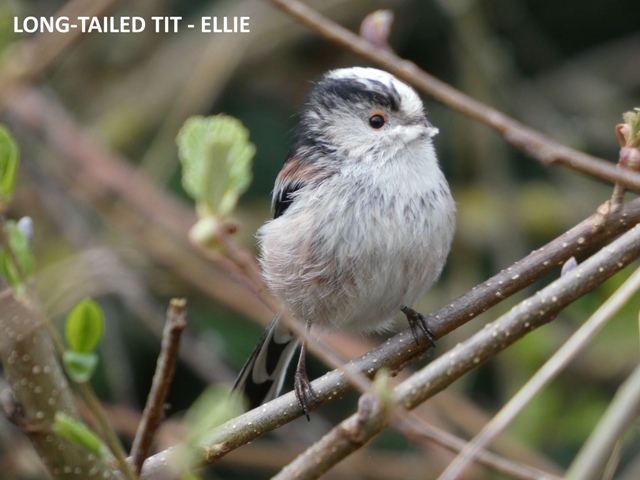
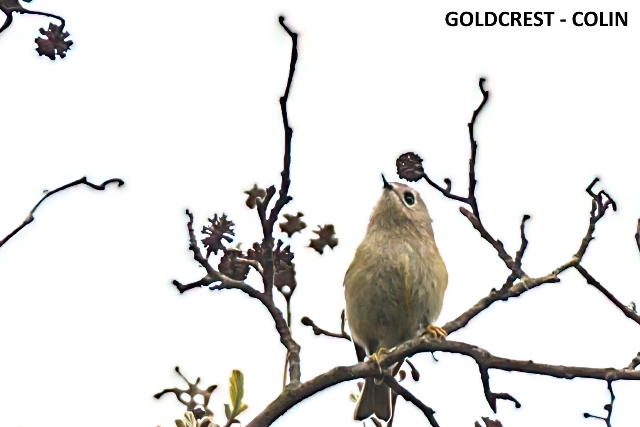
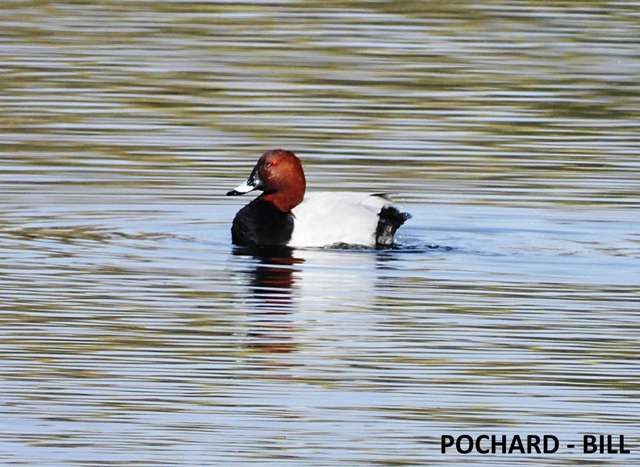
Thank you to Matthew, Ellie, Peter and Hugh for their wonderful photos.
Hugh
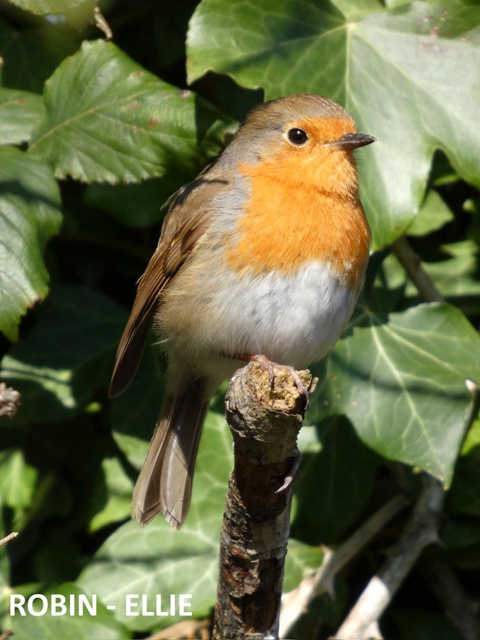
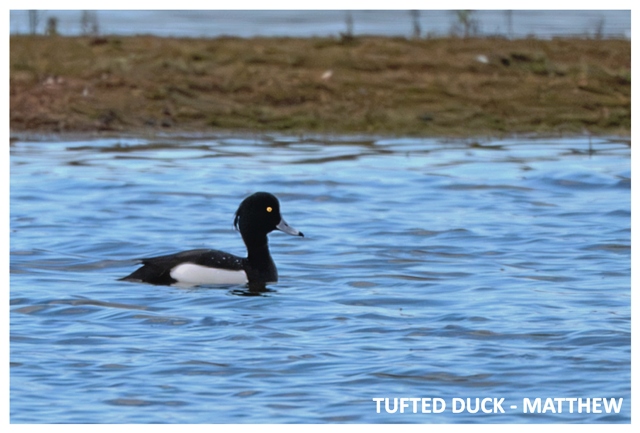
Marbury Country Park – Sunday 25th January 2026
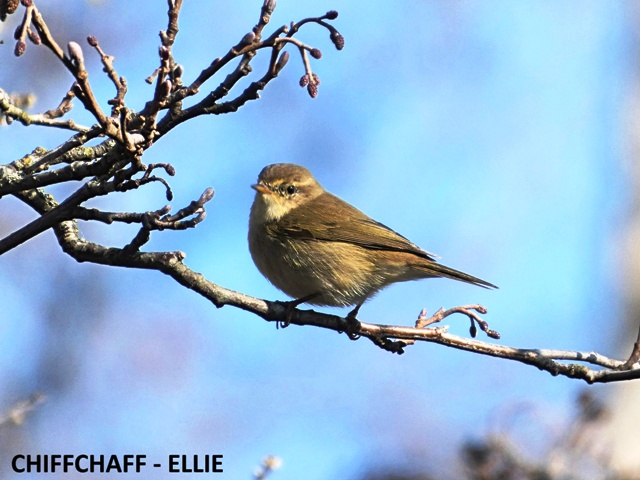
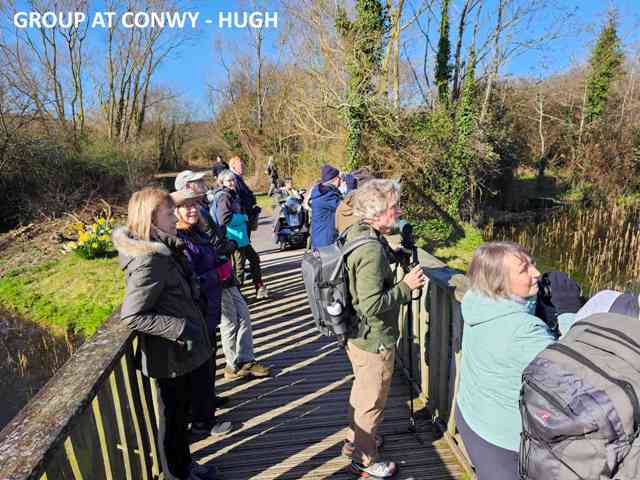
As we began our walk, the sun appeared rather unexpectedly, but we didn’t complain. We soon found several Redwings feeding on berries. A great start. Two Buzzards flew leisurely overhead. A pair of Stock Doves looked to be nest prospecting in a large tree. A Goldcrest flitted about in a fir tree. Several Nuthatches were seen and heard.
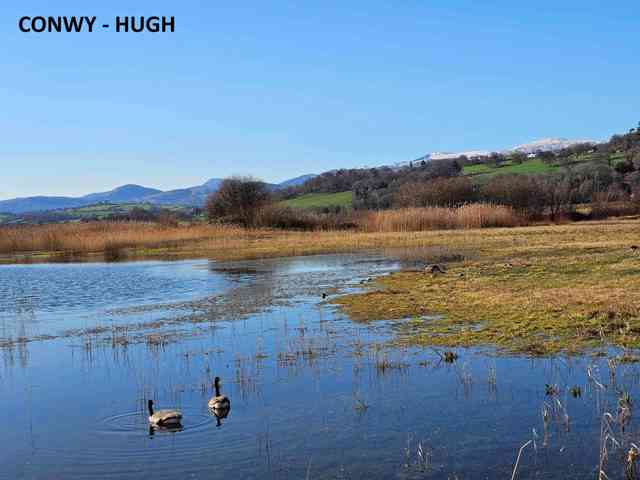
Reaching the large mere hide we were treated to birds everywhere. On the water were numerous Goosanders, Great-crested Grebes and Tufted Ducks. The feeders were busy with Blue, Great and Coal Tits. A Kingfisher was seen but was a little shy, while a Grey Wagtail was more visible. Both Heron and Great Egret were in the reedbed.
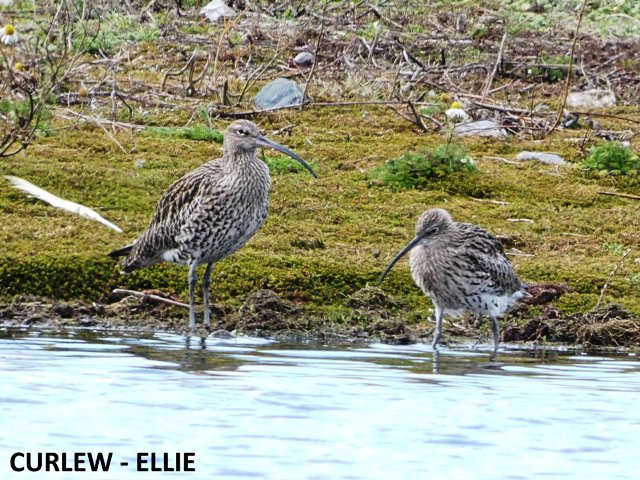
We eventually tore ourselves away and took the path alongside the mere. An obliging Treecreeper was well spotted by Ben. On the far bank were Lapwings and a few Curlew. A family of Mute Swans were looking for bread!
We returned to the cars for lunch. Then afterwards we walked through Big Wood, stopping off at the woodland hide where we added Long-tailed Tit. Conditions became gloomy now, and the woods were quiet. We carried on and made our way to Neumann’s Flash where we added Teal, Wigeon and Shelduck.
From here we took a route back to the car park. Luckily the threatened rain kept away, and as we neared the cars, we finally saw a Great-spotted Woodpecker (we’d been hearing them all day!), and a nice flock of nearly 40 Greenfinches in the fading light.
A successful day with 47 species seen or heard.
Photos courtesy of Ellie, Colin, Gary and Hugh. Thank you all. There are so many lovely images, I will add more in the next Hugh’s News.
Hugh


