Field Meeting Reports – 2025
West Kirby Marine Lake – Tuesday 9th December 2025
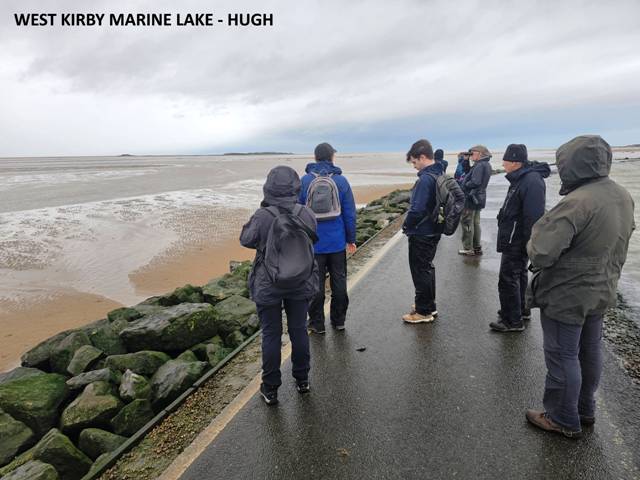
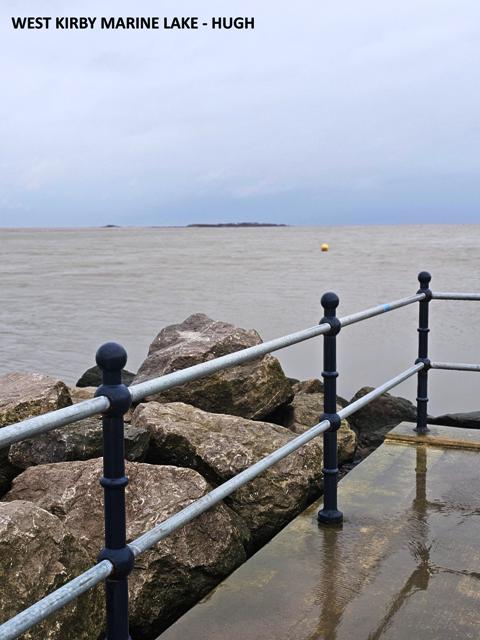
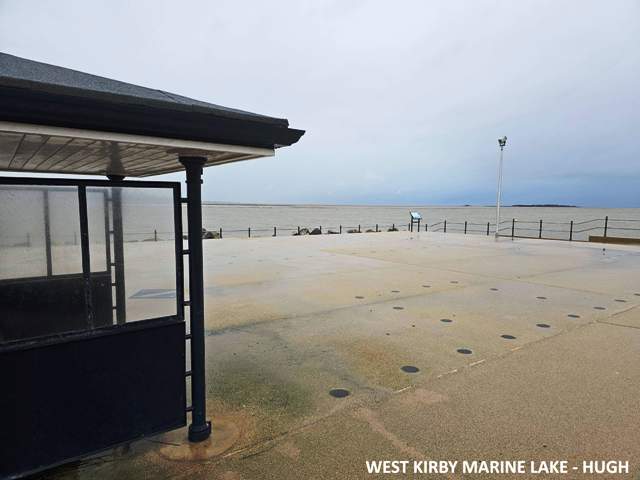
Mad dogs and birders go out in the midday storm! The weather forecast was not great, and as I drove into West Kirby the heavens opened! Not a promising start, but amazingly nine brave (or foolish?) Members congregated by the Marine Lake.
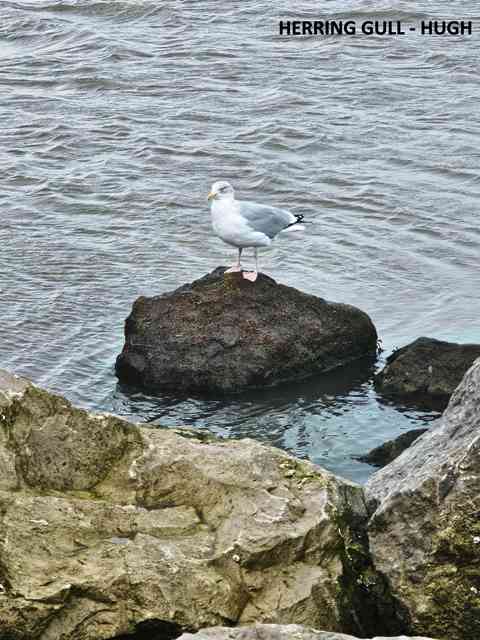
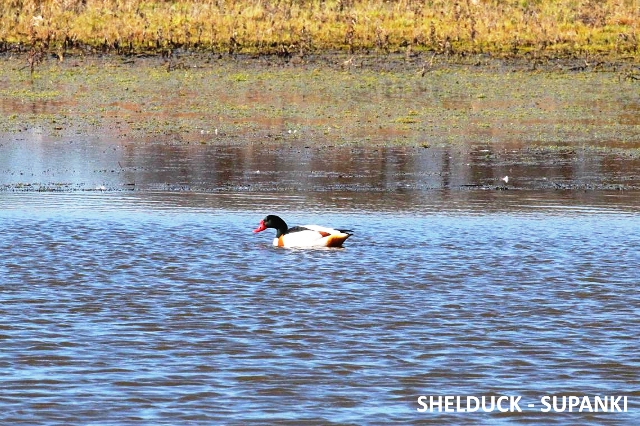
Having made the effort to turn out, we agreed to make a circuit of the Lake at least. There was not a bird to be seen on the Lake itself, but the beach had Redshank, Oystercatcher and two or three Curlew visible through the gloom. Luckily the wind was behind us to start with, and the drizzle began to ease after a while. Shelduck were further out, and a Turnstone was feeding on mussel shells on the walkway – these will have been dropped by Herring Gulls or Carrion Crows to smash open for the flesh inside. Clever birds!
As we walked further on, a male Goosander flew past overhead and flew out towards the river. Bird of the day.
Reaching the North end, we decided to complete the loop. Some of us stopped for refreshments in Tanskeys. A quick scan of the gardens only yielded a handful of Starlings on nearby roofs – any other small birds present were sheltering from the wind in the bushes.
A hardy trio of us went to the north end of the Prom and saw a single Little Egret on the marsh and distant Brent Geese on the shoreline. Periodically large flocks of waders, mostly Knot and Dunlin, took off and performed their incredible formation flying displays. This is definitely one of the natural wonders of the Dee in the winter. Finally even we had had enough and returned to our cars to dry off.
The weather on the day was a shame, but it blew the cobwebs away. We only saw 18 species and photo opportunities were limited. Hopefully conditions will be better for Marbury Country Park in January.
Photos by Hugh.
Hugh
Seaforth Nature Reserve & Crosby Marina – Saturday 22nd November 2025
It took a little while to get our passes from the Port Police, and a bit more time to find the car park! But we finally arrived at Seaforth Nature Reserve and began to explore. We immediately found the large, main lagoon extending out in front of us. Pochard, Tufted Duck and Goldeneye were the closest birds. A pair of Little Grebes were diving constantly close to the reed-fringed bank. Moving on to the first hide, a small party of Goldfinch fluttered around. The view from the hide was not especially productive, but we added Shoveler and Teal, as well as Moorhen. In the distance, large flocks of grey Knot took off periodically and wheeled around before settling. A great site to witness. Looking later at Matthews photos, the flocks looked to have Black- and Bar-tailed Godwits, Redshank and Dunlin mixed in.
We retraced our steps and took the path to the second hide. This gave us better views of the main lagoon. Good views were had of Oystercatcher, Redshank, and the occasional Grey Plover, Curlew and Turnstone. Luckily we were in the hide when a heavy shower passed through.
Eventually we left to return to the cars and saw a nice party of Long-tailed Tits and a single Chiffchaff on the way. Seaforth was an interesting mix of nature and industrial landscape.
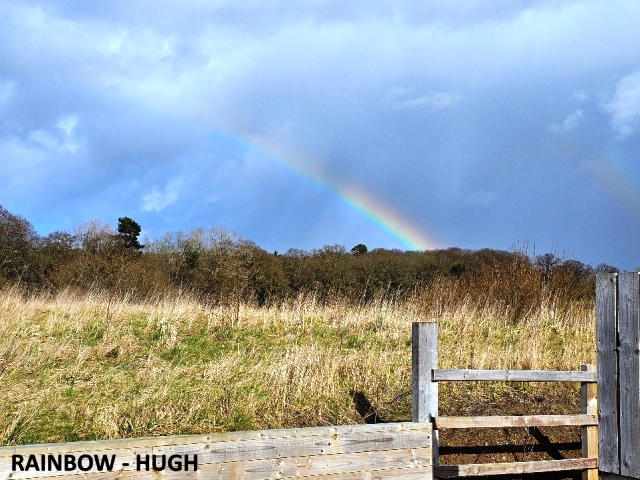
We reconvened at Crosby Marina for the afternoon, and the sun started to come out. There were few birds on the big lake here, but a male Sparrowhawk in a small tree was a bonus. We reached the beach and found good numbers of Godwits (a mix of Black-tailed and Bar-tailed), Knot and Dunlin feeding and roosting on the shore. We enjoyed a nice rainbow over the dunes, but avoided any rain. The boating lake and surrounding grass had a good gathering of Coot and a single Moorhen.
A final hot drink and (for some) cake ended a pleasant day!
We amassed 45 species, a good figure for a winter’s day, especially considering the fairly limited range of habitat. In total we saw 8 wader, 7 duck and 6 gull species.
Thanks to Matthew, Paul, Gary and Hugh for the photos.
Hugh


& Hoylake – Saturday 11th October 2025
An impressive 32 Members set off on our visit to Langfields – possibly a record turn-out for one of our car trips! Worryingly, this was twice the number of species I saw on a recent reccie of Langfields. But I needn’t have worried, as we had a very productive day.
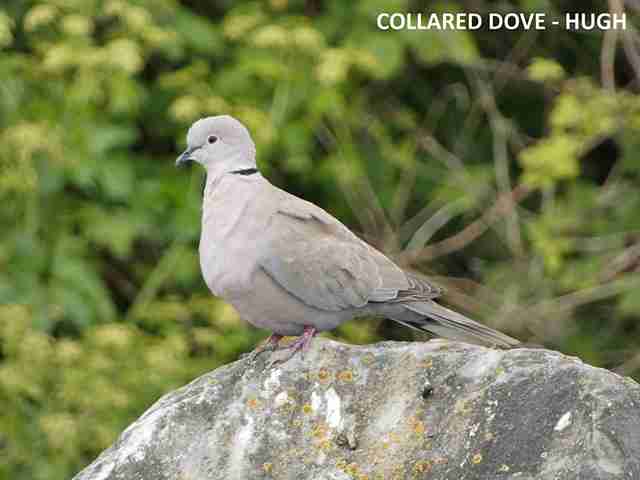
A pair of Collared Doves settled on a barn roof as we reached Willowfields Animal Sanctuary and Rescue. Here we were entertained by the various animals, as well as some opportunistic rats.
Walking on to the fields, we saw 2 Buzzards, various Carrion Crows and Woodpigeons, as well as Robin, Goldfinch and Greenfinch in the hedgerows. An enclosed area of scrub was particularly productive, with a pair of Stonechat, Meadow Pipit and both Blue and Great Tits present. Small flocks of Skylarks chipped overhead.
A juvenile Moorhen poked its head above the bramble bush that it had climbed up – was it feeding on the blackberries?
Reaching Gilroy Nature Park, we found Mallard and Teal on the lake, and Goldcrest and Long-tailed Tit amongst the trees.
We retraced our footsteps back to the cars for lunch and reconvened at Hoylake Lifeboat Station.
A small flock of Linnets fed on the beach while a small squadron of Starlings commuted from the grass to the nearby rooves.
As the tide came in, and the sun came out, we were entertained by a good selection of waders in good light. Most numerous were Oystercatcher, Curlew and Redshank, with smaller numbers Dunlin and Knot. Cormorants stood along the water’s edge with more in the sea just offshore. There were also a few Grey Plover scattered along the shoreline, until they eventually flew off showing their characteristic black axillaries (“armpits”).
We ended up with a day list of 45 species (not including Chicken and Turkey at Willowfields!).
Hugh


Frodsham Marsh – Sunday 7 September 2025
As I start to write this report of our Frodsham meeting, I fear it may be a short one!
Once we had met at the appointed place, we began to walk towards No. 5 and 6 Tanks. These areas are sludge lagoons for dredging deposits from the Manchester Ship Canal. The sky was grey but thankfully it was dry. Swallows began to zoom past us, in ever increasing numbers. House Martins started to be picked out amongst them. At one point, there were several hundred mixed hirundines feeding over the fields and settling on telegraph wires. There were also loads of Swallows just sitting on the ground in a stubble feed – a behaviour I’ve not seen before. Seeing such large numbers of these birds feeding up before continuing their migration was amazing. A little further on, a few Swifts joined the aerial display.
Small flocks of Starlings also wheeled around, and several brown plumaged juveniles were spotted on a small building on the Wind Farm. There are now proposals to build a massive solar panel farm on much of the area, which could adversely affect the birds sadly. A Marsh Harrier was picked out as it drifted towards the Weaver.
No. 6 Tank pool was surprisingly full of water, and the waders were on the far side, making identification tricky. Black-tailed Godwits and Redshank were definitely present. A Great Egret and a Little Egret were close together allowing a nice size and shape comparison. Duck species included Teal, Shoveler, Tufted and Mallard, with a couple of Little Grebes too.
A pair of Ravens flew across No. 5 Tank.
A Cetti’s Warbler called in the bushes, and a Chiffchaff was seen very briefly.
As we made it to No. 4 Tank, 5 Cattle Egrets fed amongst the cattle there. Curlew and Lapwing flew over, probably making for the Mersey.
Then the rain started to fall, and it got steadily heavier. We made our way back to the cars – some walking faster than others! We ate our lunches, but the rain looked set in, so those that had not left already decided to call it a day.
The species list was a rather paltry 28, but the sight of all those Swallows and Martins was a big highlight for me.
Well, this report was no so small after all. We will have to return and go across to the Weaver next time!
Thanks to Matthew and Hugh for the photos. Conditions were not conducive to photography!
Hugh


RSPB Old Moor (by coach) – Saturday 5 July 2025
The Dearne Valley near Barnsley is the site of old industrial workings that have been transformed into a wetlands nature reserve. The weather was warm and breezy but thankfully there was no rain. The local area has suffered from the lack of rain with reservoirs having very low water levels and some of the smaller pools at the reserve had dried up but the water management of the area has enabled the flashes and lakes to still sustain the reeds and fish for breeding bitterns, snipe and avocet. Unfortunately, none of these were seen by the group! The pools have been stocked with rudd as a food source for the bitterns and they appeared plentiful.
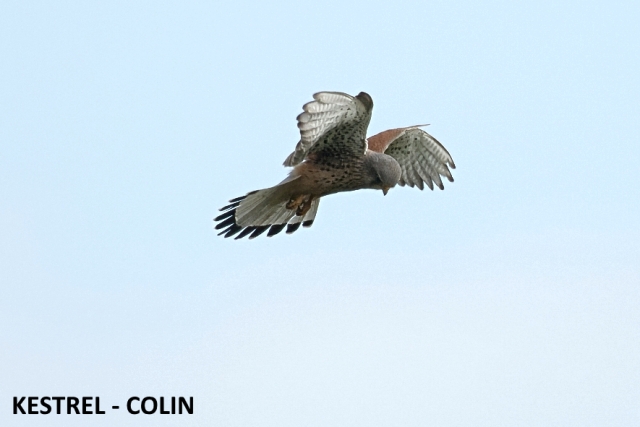
On arrival we explored the west of the reserve from the excellent visitor centre, where large numbers of Canada geese and coot were in residence. A pair of great crested grebe with young and a grey heron was hiding in the reeds. In the distance Ellie and Gary spotted a kestrel and Ellie saw a marsh harrier fly over. The Bittern Hide, also overlooking the reed beds, revealed similar species to the previous viewing area, the Bittern Bus Stop, plus lapwing, a pair of greylag geese, little egret and moorhen. Lesser black back gull, herring gull and black headed gull sat on the muddy banks.
After lunch we explored the east of the reserve from the large hides on the Green Lane Loop which overlooked the meres, scrapes and pools. Here there were a pair of mute swans, cormorant, common tern, mallard, gadwall and shoveler. None in great numbers but a greater variety than on the west waters.
Goldfinch, long tailed tits, sand martins, swift and a buzzard flew overhead while a reed warbler was spotted flying to and from its nest into the reeds. The secluded garden area had greenfinch, a bullfinch and blue tits enjoying the feeders.
Being a nature reserve large numbers of butterfly and dragonfly were present, and together with the colourful wild flowers they provided an enjoyable and varied environment to walk through with 47 bird species recorded.
Thanks to everyone for supporting the coach trips and to Hugh and Colin for their organisation.
Joyce


Gronant – Sunday 6 June 2025
This was the first time visiting Gronant Dunes for several of the members, and I don’t think they were disappointed with the place!
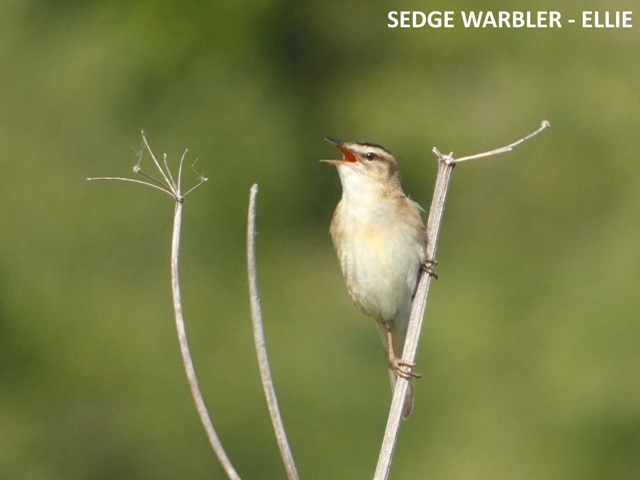
On the short trek down the road from the car park, we saw Swallow, Blackbird, Herring Gull and Chiffchaff. As soon as we stepped onto the footpath, we started seeing birds of the reedbeds. A Sedge Warbler flew past carrying food to its nest. Mallards and a Moorhen were on the small stream. Reed Warbler was heard.
We started to see lots of Meadow Pipits and small family flocks of Linnets. Even nicer, Skylarks started to sing high up in the sky, occasionally descending to give better views. We really appreciated this classic British Summer spectacle.
We eventually reached a viewpoint overlooking the beach and immediately Little Terns flew by, some quite close allowing us to see their yellow bills. One landed on the shingle beach in front of us.
A single Oystercatcher was on the beach, as well as more distant Cormorants. Walking a bit further, we found the hut and tiny hide of the wardened Tern colony. From here, with a little patience, we could see Little Terns close up; and hear their constant, excited calls. A few Ringed Plover were also nesting here.
We finally dragged ourselves away. A quick lunch was enjoyed on the return. We also saw 2, possibly 3 male Stonechats, and 5 Little Egrets. The last birds added to the list were Common Whitethroat and Garden Warbler – both sadly heard only from a patch of scrub.
As well as the birds, we saw Pyramidal and (Southern, I think) Marsh Orchids, Yellow Rattle and Water Iris, adding colour to the day.
There was time for refreshments in the café before heading home!
We were so lucky to avoid any rain, and everyone had a great day.
Thank you to Gary, Colin and Hugh for the photos.
Hugh


Leasowe Common – Thursday 8 May 2025
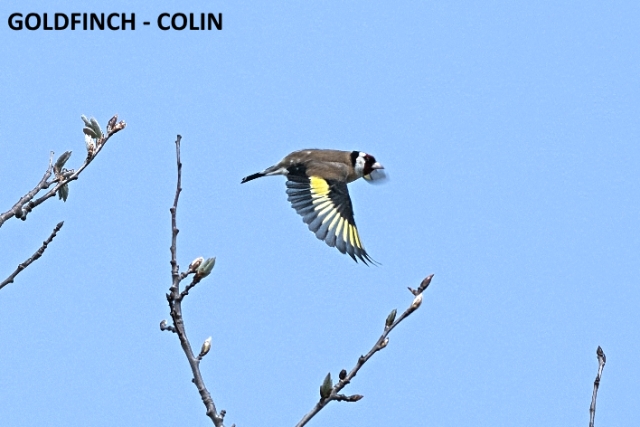
Another great turn out with 22 people meeting up at the car park in cool but bright conditions. Immediately, several Swallows and 2 Swifts (first of the year for me) were noted overhead. Goldfinch, Greenfinch, Wood Pigeon and Collared Dove were all nearby.
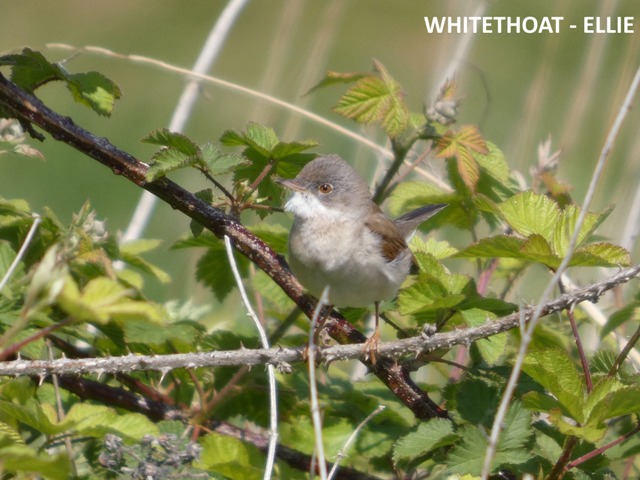
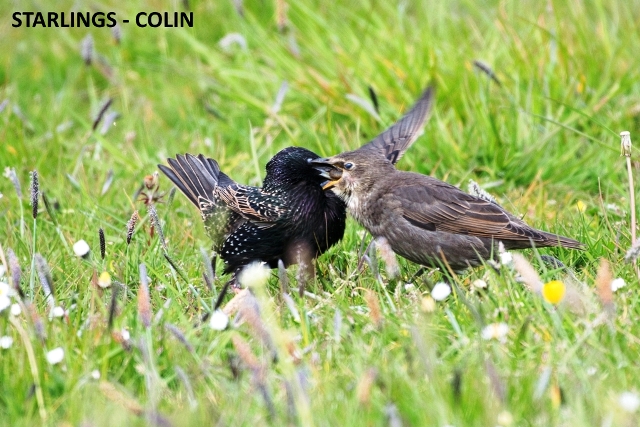
Taking the inland path, we began seeing, or at least hearing, warblers – Chiffchaff, Blackcap, Reed, Sedge, Whitethroat and finally Cetti’s. A small flock of Starlings included one young bird being fed by its parents. Raptors seen were Kestrel and Buzzard.
We made our way north to the shore through the caravan site. Here there were masses of very noisy Starlings! The sands were relatively quiet – a distant Curlew was the only waders we found.
The sun was breaking through now, so my decision to wear shorts wasn’t totally daft!
A group of Little Egrets were on the beach, with a single Grey Heron which was being harassed be a pair of Black-headed Gulls.
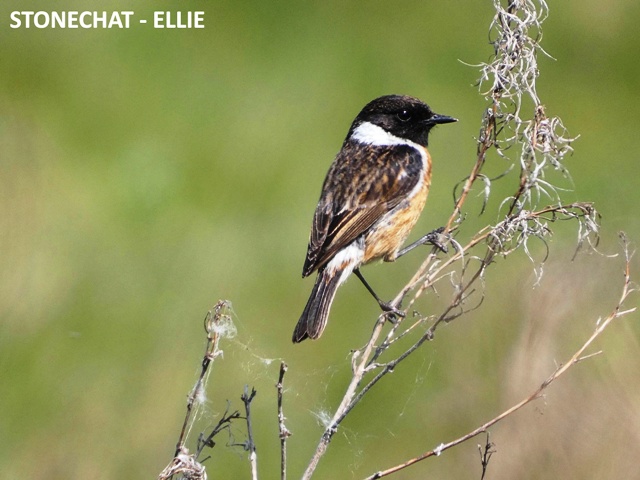
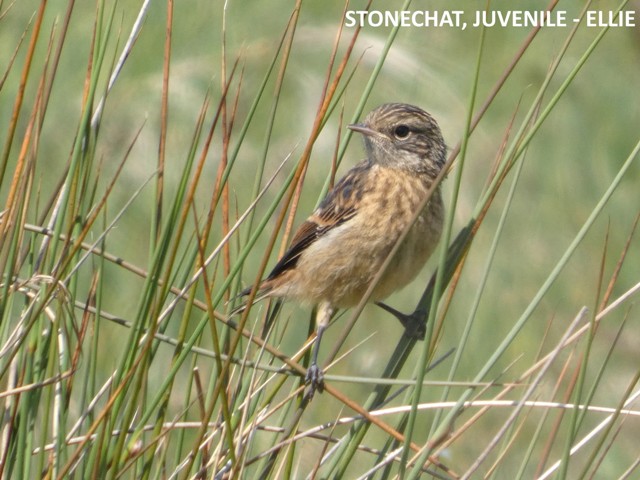
Back at the car park for lunch, we were entertained by a showy Whitethroat, and a male and juvenile Stonechat.
After lunch, a reduced number of us walked down to Kerr’s Field, but these had dried out and only held a handful of gulls, Pied Wagtail and Stock Dove.
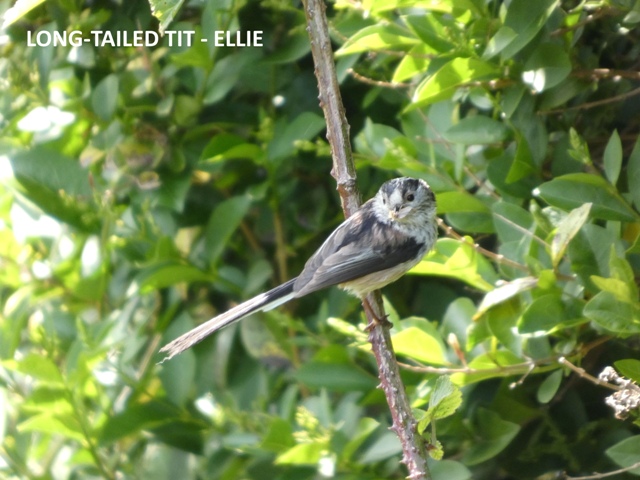
Next we went to the end of Lingham Lane, where we watched a pair of Long-tailed Tits busily taking beaks full of food back to their nest. This was a lovely way to end the day.
Thank you to Ellie and Colin for the great photos.
Hugh

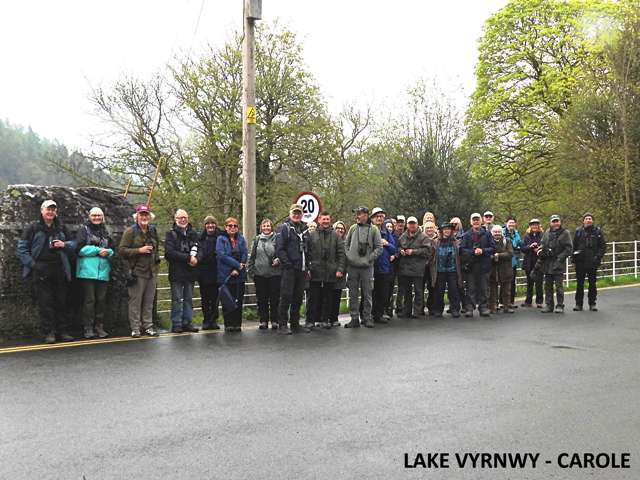
RSPB Lake Vyrnwy (by coach) – Saturday 26 April 2025
First, I must apologise again for the hilly sections on the afternoon walk – they were steeper than I remembered from the last time I walked the route. I trust you have all recovered. Hopefully it didn’t spoil anyone’s day too much, as we saw some lovely birds in a picturesque setting.
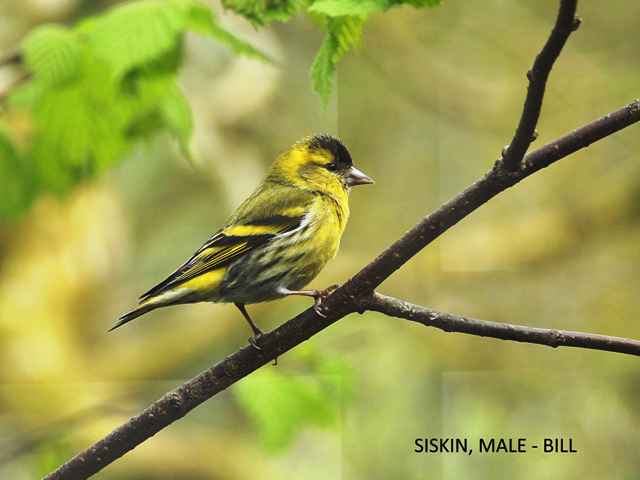
As we congregated for our start, we had close views of Siskin feeding on scattered seed. Swallows were ever-present around the village. A Sparrowhawk was noted a couple of times near to the first hide, where we watched Siskins again just a few feet away!
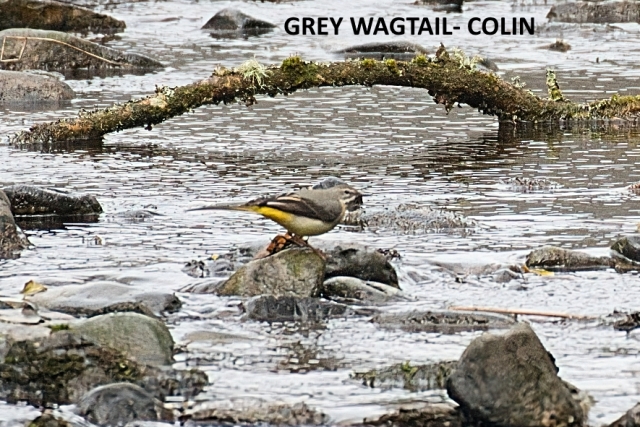
By the river, we saw 2 Dipper feeding intently and returning to a presumed nest by the dam. A Common Sandpiper and Grey Wagtail were also here. Buzzard and Red Kite were glimpsed above through the trees.
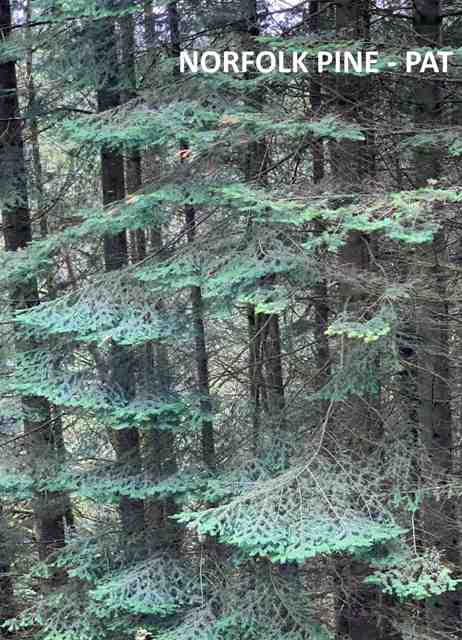
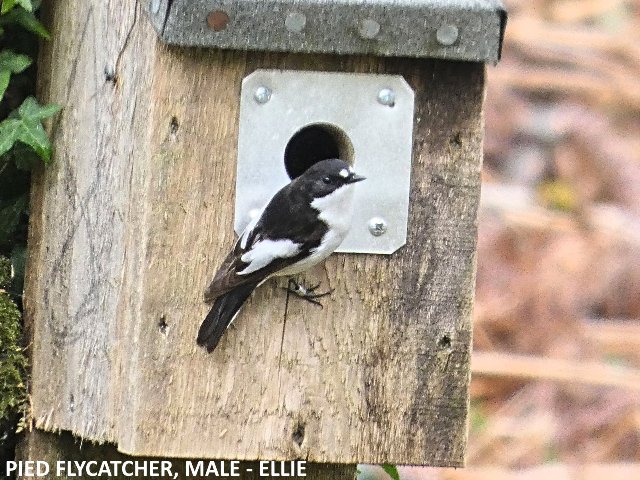
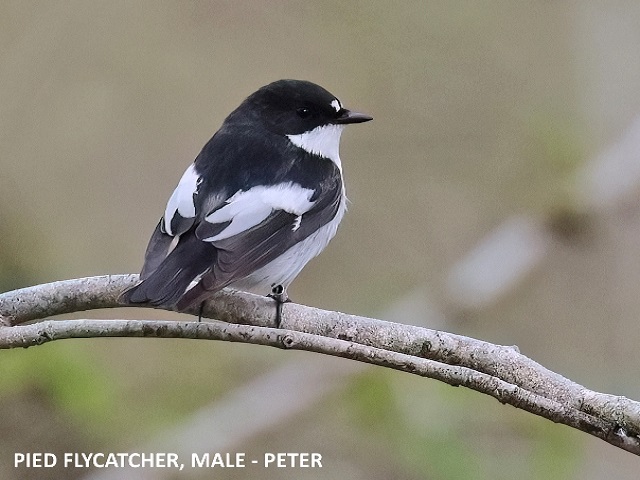
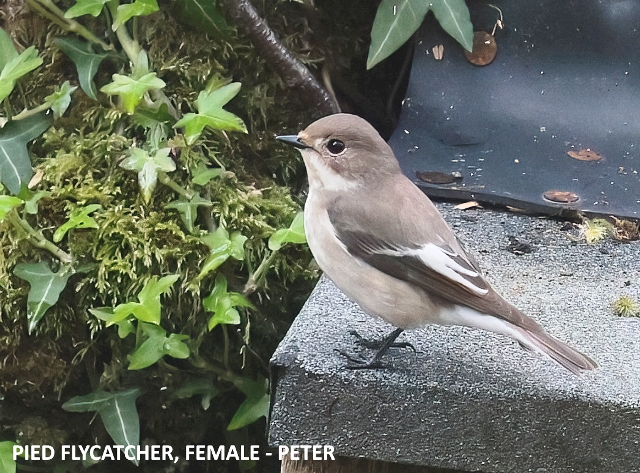
Moving on to the oak woods, we found a pair of Pied Flycatchers in and around a nest-box.
Gary and Ellie found a Goldcrest and even better, a Firecrest!
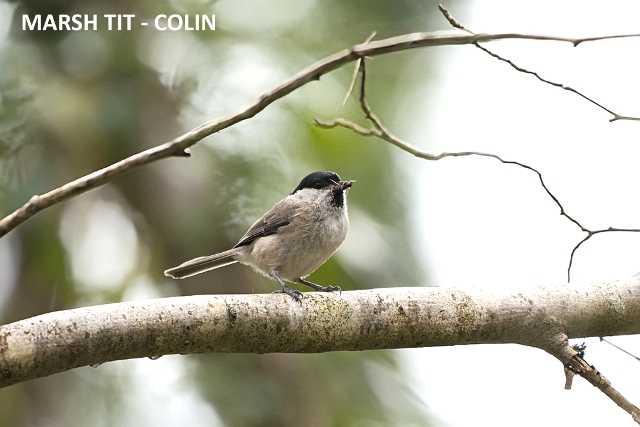
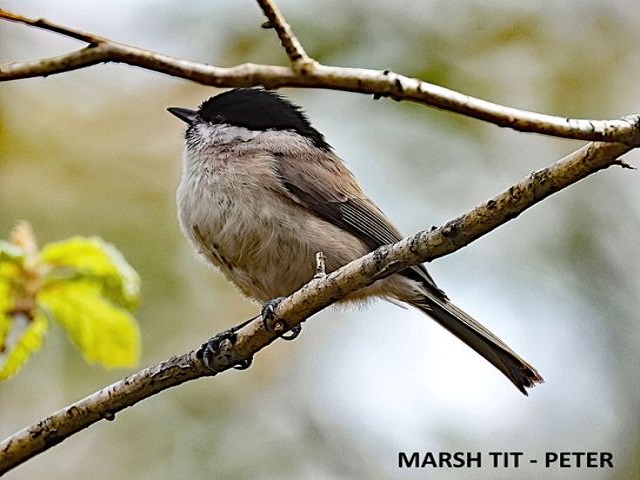
And a Marsh Tit eventually showed well enough and helpfully called to allow us to clinch the ID.
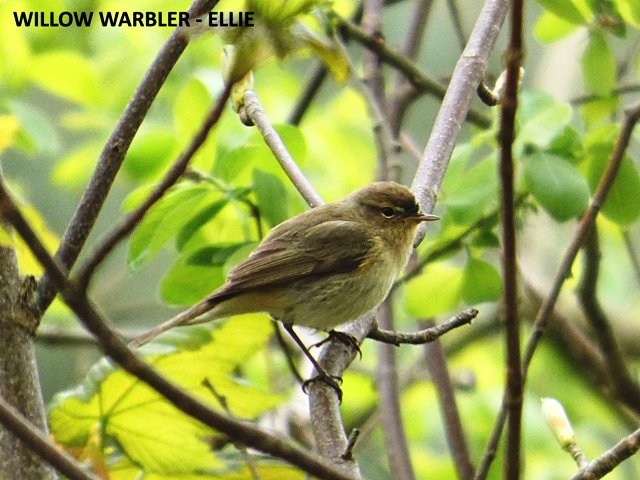
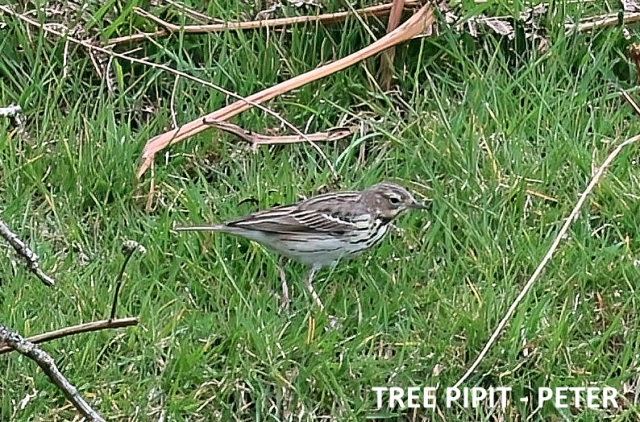
After lunch, a longer walk took us into more open countryside. Redstarts were heard and for a lucky few one was seen briefly. A Tree Pipit made its parachute song-flight before landing in a tree and then feeding on the ground. Chiffchaff and Willow Warbler were ever present, as well as Blackcap.
We saw (or heard) 44 species, including some cracking birds typical of this Welsh oak woodland.
Thank you everyone for supporting our coach trips.
Thank you to Colin, Peter, Ellie, Pat, Bill and Hugh for the photos.
Hugh
Mere Sands Wood Nature Reserve – Saturday 29 March 2025
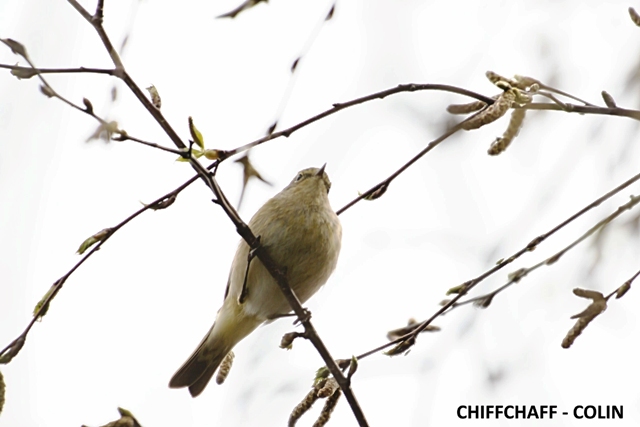
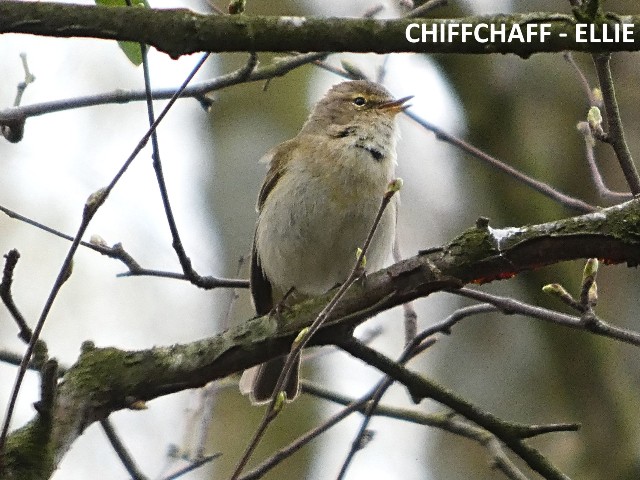
As we congregated in the car park for our walk around Mere Sands Wood N.R. a Chiffchaff was singing almost constantly, and a male Blackcap was soon found warbling in a Silver Birch. Both birds were welcoming signs of Spring, even though there was a cool wind!
An amazing 24 members set off to explore the reserve. A first scan of the main mere yielded around 30 Cormorants roosting in a large tree. On the water we picked out Shoveler, Teal, Tufted Duck, Little Grebe as well as good numbers of raucous Black-headed Gulls.
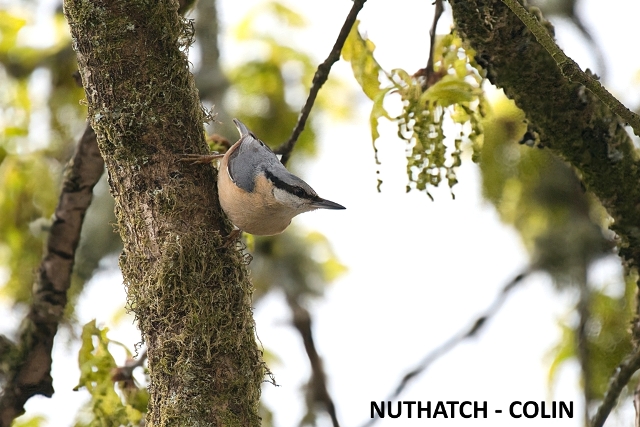
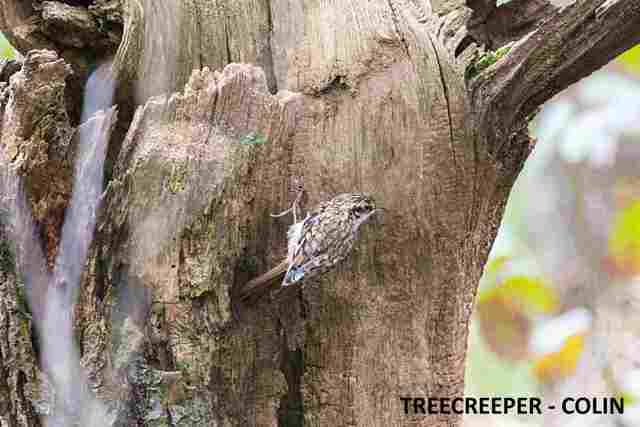
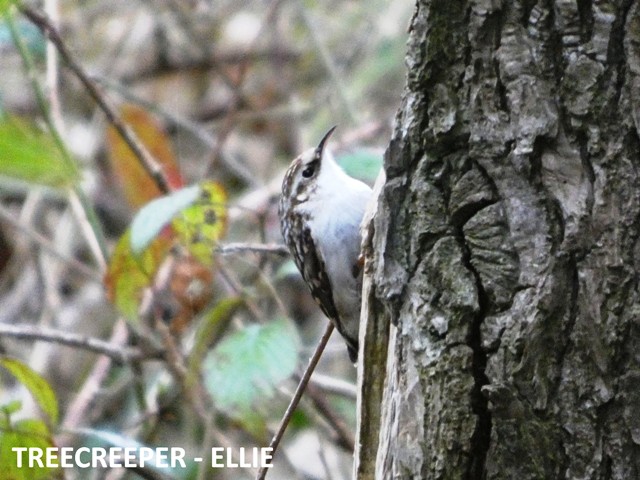
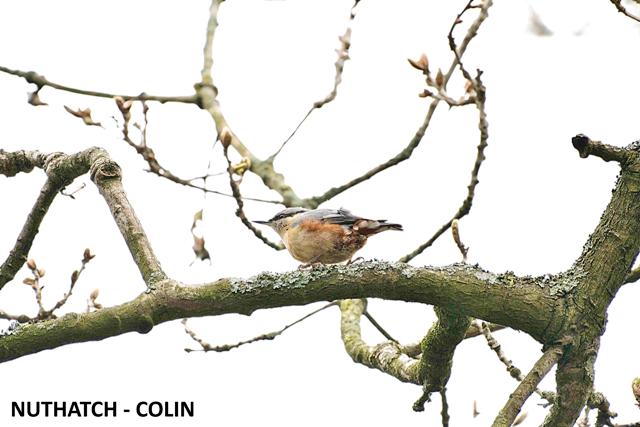
Further on along the trail, a Treecreeper was spotted disappearing into a tree stump. It transpired that a pair were nesting inside, and even had 2 entrances! We watched the activity for ages, mesmerised by these slim, mouse-like birds. In the same area, Nuthatches loudly proclaimed their presence. Joyce had kindly brought here “eclipse glass” with her, and shared it around so we could safely watch the partial solar eclipse that occurred late morning. A fascinating bonus sighting! At another spot looking over the mere, we picked out a pair of Gadwall, and 2 male and a single female Pochard.
We made our way back to the Centre for lunch, adding common Tit species on the way. After refreshments, we set off again.
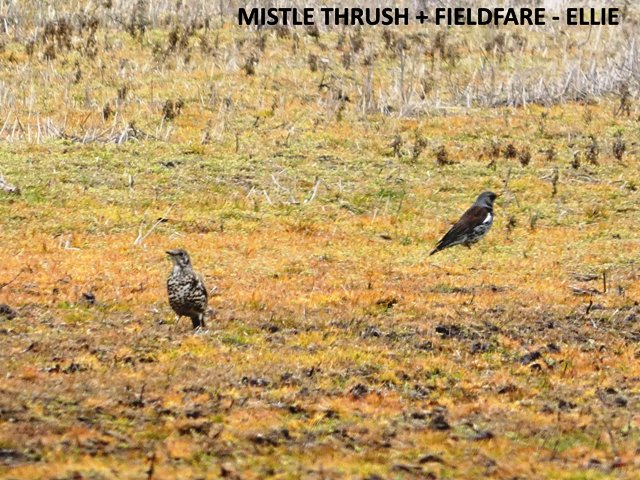
At the first field we came across, there were single Redwing, Fieldfare, Mistle Thrush and Blackbird! A Song Thrush was also spotted later by some members. That’s all of our UK thrush family members other than Ring Ouzel!
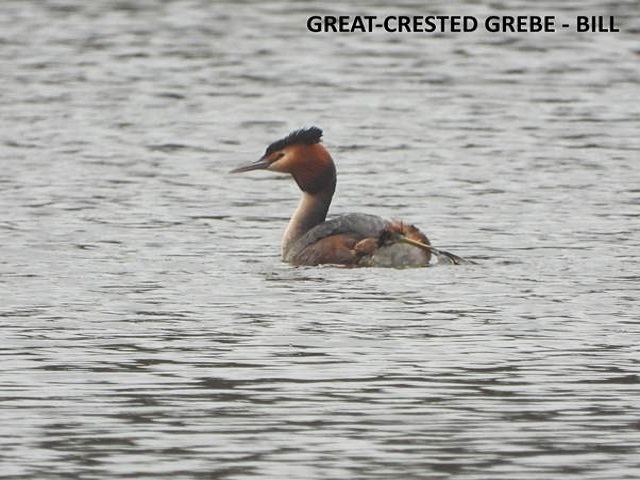
At Fletcher Hide, we had much better views of a Great-crested Grebe than we had seen before. The western end of the reserve was less productive, partly because bird activity typically goes quiet in the afternoon, and also because the wind got up and a few spots of rain fell. We returned to the cars again. but not before we saw 2 Hares huddled down in a field; and saw a Raven calling noisily above the conifers. IT looked to be a juvenile bird judging by its rounded tail and smaller bill than normal.
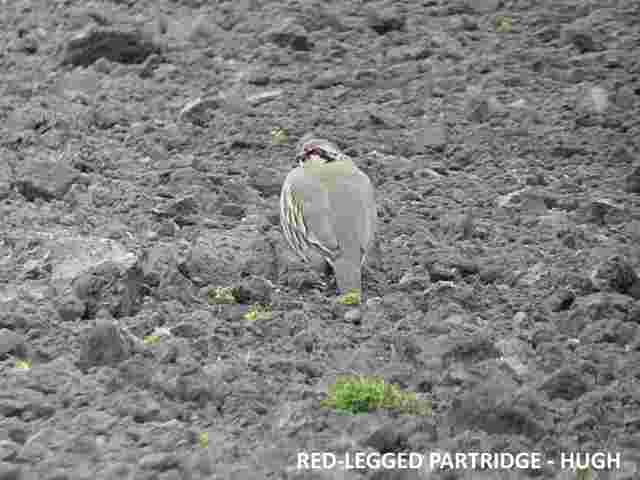
We had been scanning the farmland for Red-legged Partridge that are often present, but without success. Then as I left the reserve to drive home, I spotted a single bird at the top of the lane!
Between the 24 members, we saw an excellent 47 species
Thank you to Colin, Ellie, Bill and Hugh for the photos.
Hugh
RSPB Burton Mere Wetlands – Monday 24 February 2025
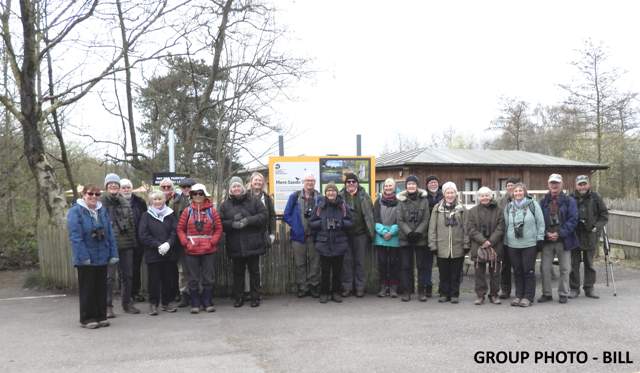
The meeting at our local RSPB reserve (after an unscheduled visit in November!) did not disappoint. The early Spring weather gave us lovely light conditions, and we avoided the showers that were around.
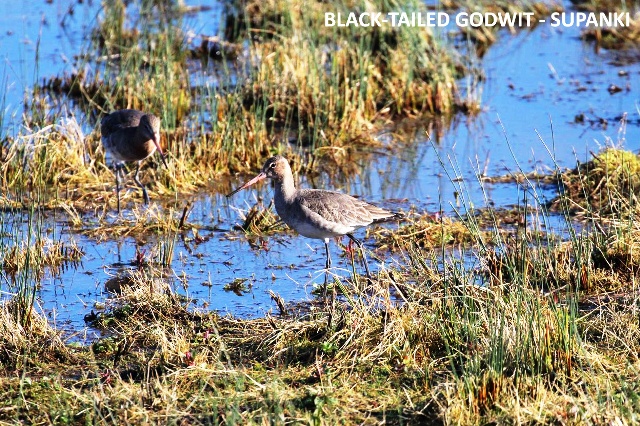
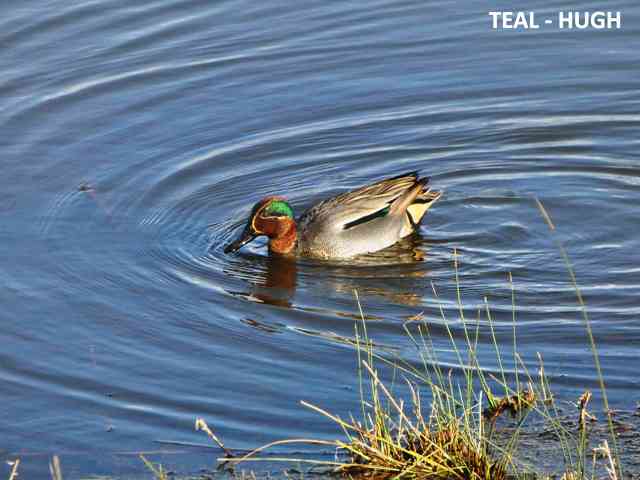
On the Main Scrape, many of the birds were still winter visitors, with several duck species and a sprinkling of waders. Ducks included Teal, Gadwall, Shoveler and at least 2 male Pintails. Waders were represented by Black-tailed Godwits, Redshank, Oystercatcher, Curlew and lots of jittery Lapwings.
But over a dozen Avocets had already returned from their winter quarters, although not showing any signs of nesting yet.
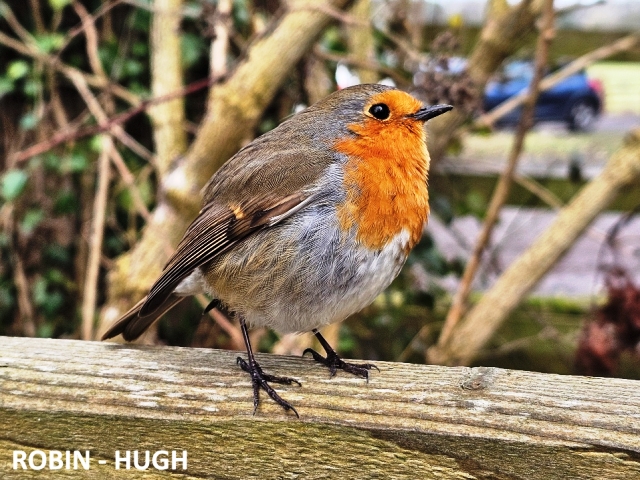
Ravens seemed to be around much of the day but were unusually silent, until a pair finally gave us a few typical croaks. Smaller birds seen included a very tame Robin, Greenfinch, Goldfinch and 3 tit species. Cetti’s Warblers were vocal but rarely seen. Raptors seen were Marsh Harrier, Kestrel and Buzzard.
Some members drifted off after lunch (which is a nice benefit of these local walks). The remaining people explored the far end of the Reserve. At Border hide, the sun was behind us, showing up the birds’ colours nicely.
A thorough search for a reported Woodcock was fruitless, sadly! But on our final walk back towards the car park, we were rewarded with some flyover Redwings – they will soon be departing for Scandinavia.
We nearly walked straight past the Reedbed Screen on our return, but luckily we didn’t. Just as we arrived, a cry went up “Bittern”! A single bird had flown onto the edge of the reeds and settled briefly before melting back into the vegetation. By chance, a Kingfisher flew across in front of the Bittern! What an unexpected and brilliant end to a successful day!
The group saw some 53 species.
Thank you to Supanki and Hugh for the photos.
Hugh

Dyserth Walkway – Sunday 19 January 2025
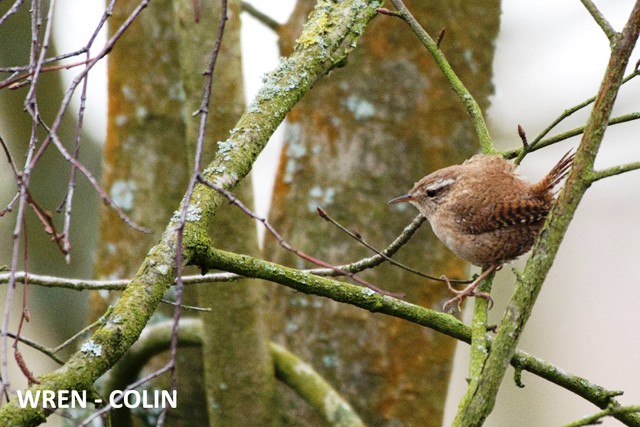
Once we had eventually squeezed into the small car park, we began our walk down the Dyserth – Prestatyn Walk. Our first stop was on the bridge over the fast-flowing River Ffyddion, but unfortunately, we didn’t see a Dipper. Continuing, we started to tick off the expected woodland species – Blackbird, Blue and Great Tit, Wren. In a large grassy field, a colourful male Pheasant strutted along.
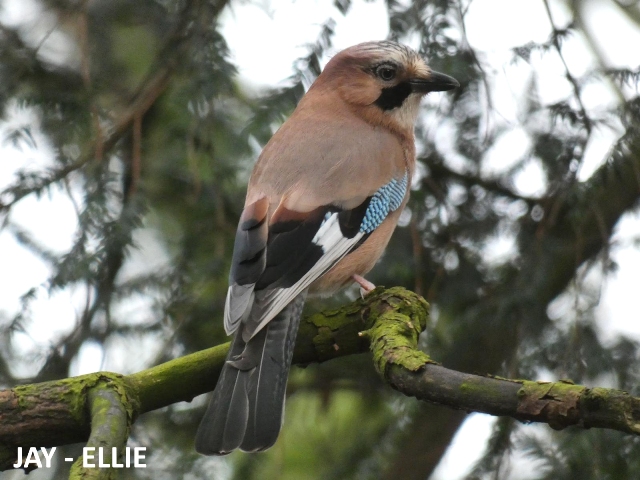
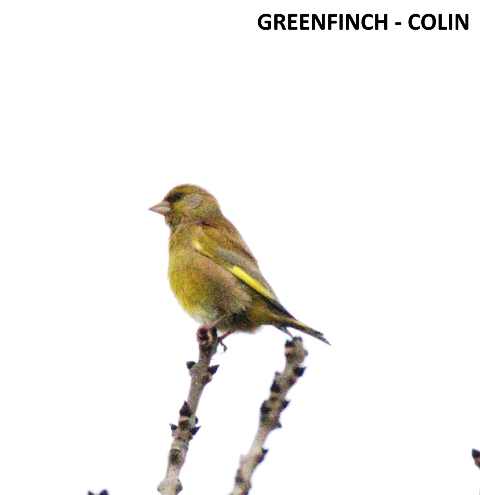
A Song Thrush and Dunnock shared a small muddy area close to the path. Jays were seen briefly but never loitered. Despite the gloom, the yellow wing panel still stood out on a Greenfinch sat high in a tree. A distant field held well over 200 Fieldfare, but too far away to photograph.
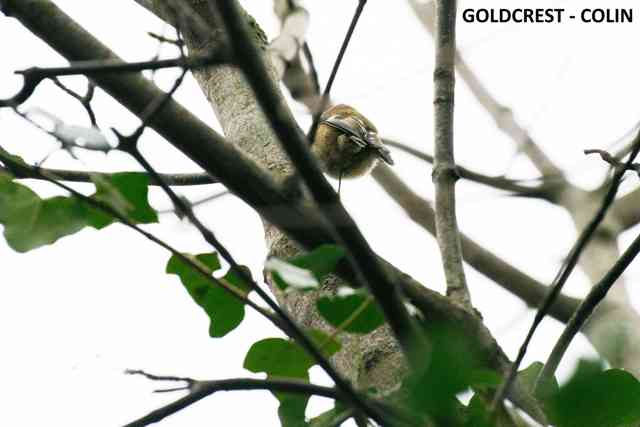
A pair of Goldcrest fed constantly amongst alder cones. Colin did well to get a photo as they just never stopped moving! Herring Gull and Black-headed Gull reminded us that we were getting close to the coast.
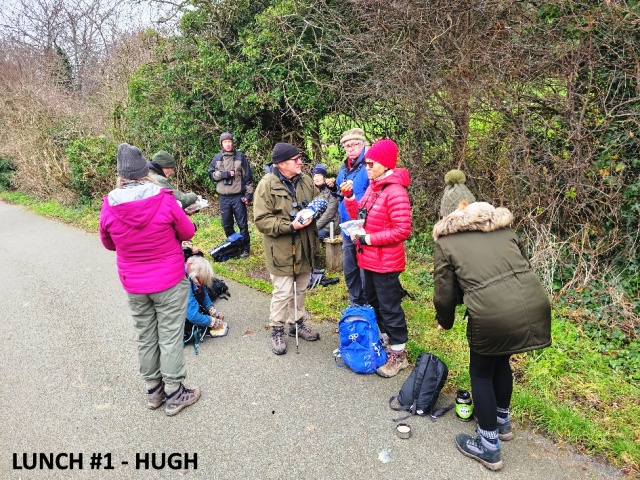
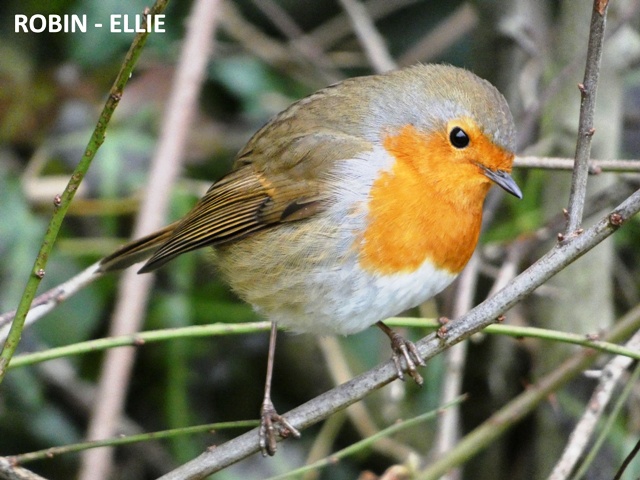
We stopped for Lunch #1. A tame Robin enjoyed a few crumbs we threw down.
As we approached the outskirts of Prestatyn, the air suddenly became even more chilly (coming off the sea?), so we decided to start to return journey up the Way. We stopped for Lunch #2 at the new “Y Shed” cafe and enjoyed our drinks and cakes!
We didn’t add any species to the list on the way back, and we ended the day with a small count of 21 species. But despite the cold and grey weather, I think we enjoyed a lovely walk and great company.
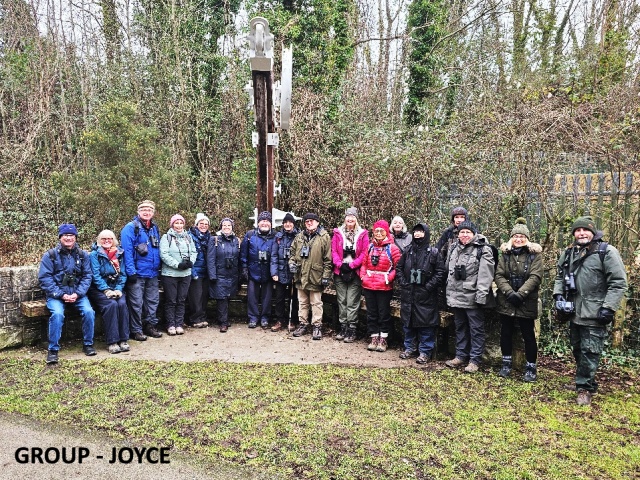
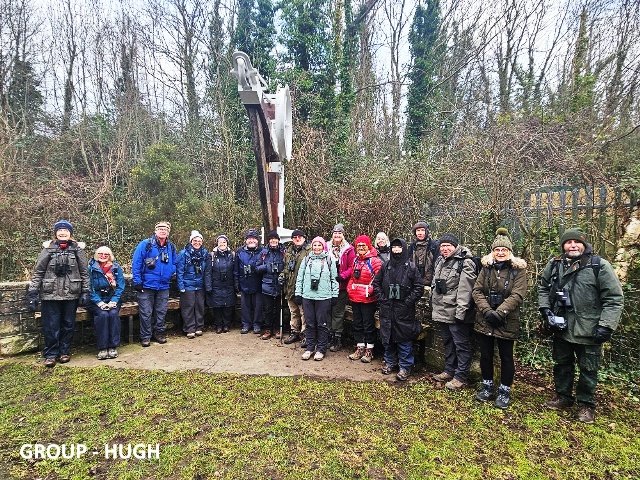
Thank you to Colin, Ellie, Joyce and Hugh for the photos. Conditions were not easy in the poor light. There are two Group photos – Joyce took one, with me on the end. And I took the other with Joyce on the end!
Hugh